1 x
$35.90
-
+


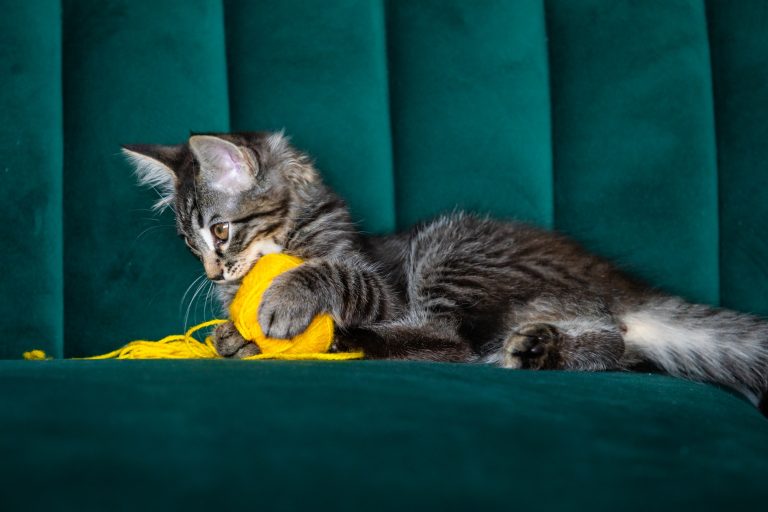

Picture this: You carefully spoon gourmet pâté into your cat’s favorite ceramic bowl, only to return an hour later and find a strange, geometric ring of food left untouched around the very edges. Your feline companion acts hungry, meowing plaintively by the pantry, yet refuses to touch the remaining morsels. What gives? Are they simply being finicky, or is something deeper at play?
As feline behavior specialists at Spoiled Kitty, we hear this concern from devoted pet parents every single day. The truth is, your cat isn’t trying to drive you crazy. They are likely experiencing a remarkably common yet frequently overlooked phenomenon known as whisker fatigue in cats. In this comprehensive guide, we are going to dive deep into feline neurology, sensory biology, and mindful home design to help you transform your cat’s mealtime from a stressful chore into a luxurious ritual.
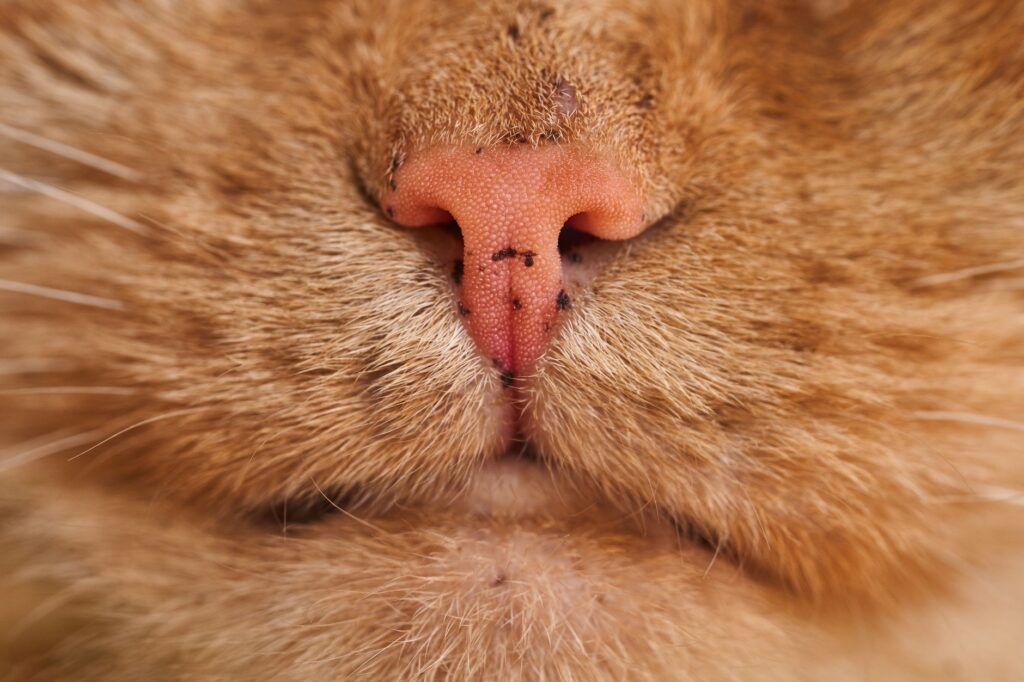
To truly understand why deep bowls cause distress, we first need to appreciate just how extraordinary a cat’s whiskers (vibrissae) really are. Far from being mere facial decorations, whiskers are precision sensory instruments deeply embedded in the skin, surrounded by a dense network of nerve endings and blood vessels.
Each vibrissa is connected to sensory cells that register the slightest shifts in air currents, spatial dimensions, and vibrations. In the wild, this hyper-awareness allows cats to navigate absolute darkness, hunt agile prey, and accurately gauge whether an opening is wide enough for their bodies. Because whiskers are so profoundly sensitive, they act as an early-warning radar system for the feline brain. However, this evolutionary advantage has a modern downside: our human-made pet accessories.
When you feed a cat out of a standard, steep-sided, narrow bowl, their exceptionally long and sensitive whiskers are forced to constantly brush against the hard walls with every single bite. Every time your cat dips their head down to grab a mouthful of kibble or gravy, those delicate nerve endings are relentlessly stimulated, bending and scraping against the rim.
Over the course of a meal, this continuous sensory overload sends a barrage of frantic signals to the brain, translating into a phenomenon we call whisker fatigue in cats. It is not an allergy or an illness, but rather sensory exhaustion and mild physical discomfort. Imagine wearing a tight, scratchy wool turtleneck all day long; eventually, you just want to rip it off. For a cat, abandoning food at the edges of the bowl is their only way of saying, “The sensory input here is simply too overwhelming.”
Recognizing the subtle signs of sensory stress can help you intervene before your cat develops true behavioral aversions to mealtime. Look out for these telltale indicators:

Fortunately, curing whisker fatigue in cats is remarkably straightforward and requires just a few mindful adjustments to your home environment. Ditch the traditional, deep plastic or ceramic bowls immediately. Instead, opt for wide, shallow, flat-bottomed dishes made of stainless steel, glass, or high-grade ceramic that allow your cat’s whiskers to hang freely over the edges without touching anything.
While you are upgrading your cat’s dining lounge, why not elevate their overall wellness and playtime routine? For instance, you can keep their teeth sparkling clean with our VelvetBreath Enzymatic Dental Mist, which comes with Free US Shipping to make spoiling your feline effortless. Once their tummy is full and their breath is fresh, redirect their natural predatory instincts safely indoors by rolling out the LuminaRoll Smart Treat Sphere—also backed by Free US Shipping—to keep them mentally stimulated and physically thriving.
Yes. If a cat consistently avoids finishing their meals because of sensory discomfort, they may consume fewer daily calories than required, leading to gradual and unintended weight loss. Switching to shallow dishes usually resolves this instantly.
Not necessarily to the same degree, but all domestic cats possess the same sensitive vibrissae biology. Brachycephalic breeds (like Persians) or larger cats with very long whiskers are often more susceptible to deep bowl irritation.
Plastic bowls are generally discouraged because they easily develop microscopic scratches that trap bacteria, which can cause feline acne. Paired with their tendency to cause whisker stress, upgrading to wide ceramic or stainless steel platters is always the best choice.
Welcome to Spoiled Kitty’s sanctuary of mindful feline care. As a certified feline behavior specialist and chief editor, I frequently meet dedicated cat parents who wonder if their cherished indoor companions are truly thriving. While keeping cats indoors dramatically increases their lifespan and keeps them safe from external hazards, it
Welcome back to Spoiled Kitty, your ultimate destination for luxury mindful cat wellness. As a certified feline behavior specialist, I often hear concerned pet parents ask why their sophisticated feline refuses to drink from a standard ceramic bowl. The answer lies deep within their evolutionary history. Domestic cats are descendants
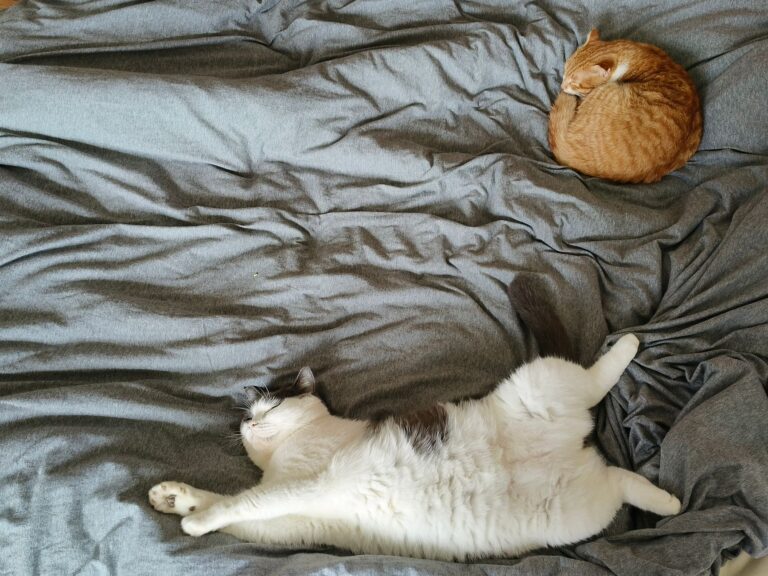
Have you ever paused to marvel at your cat sprawled across a sunbeam, contorted into an impossible pretzel shape, or softly twitching their paws while floating through dreamland? As cat parents, we spend countless hours watching our feline companions sleep—and with good reason. Domestic cats spend anywhere from 12 to

