

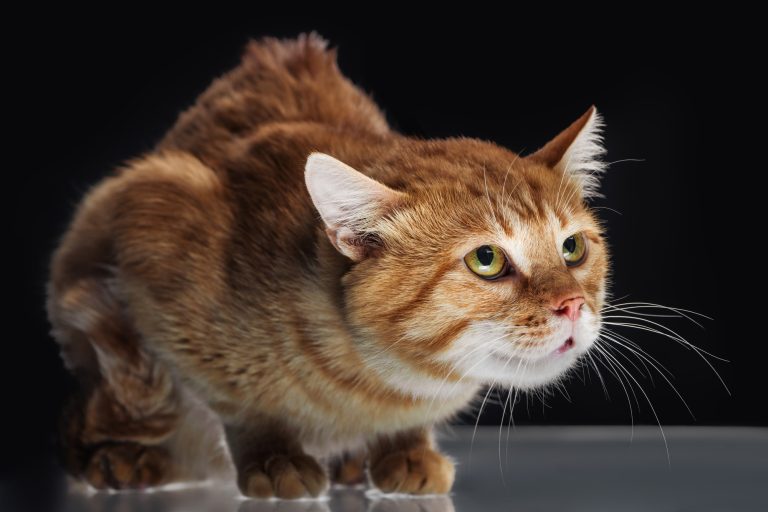

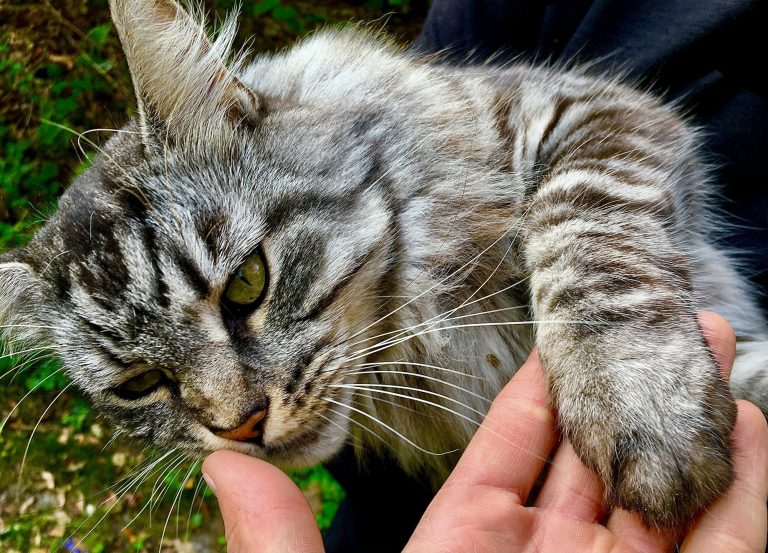



As the temperature drops and winter sets in, it’s crucial to consider how the cold weather affects our feline friends. Cats, despite their fur coats, can be sensitive to extreme temperatures and face unique challenges during the winter months. This comprehensive guide will provide you with essential information on how to care for your cat in winter, ensuring they stay healthy, comfortable, and safe throughout the cold season.
Feline Cold Weather Sensitivity
Cats are generally well-equipped to handle cooler temperatures, thanks to their fur coats. However, when the mercury plummets, even the hardiest of cats can struggle. It’s important to recognize that each cat is different, and factors such as age, health, and breed can affect how well they cope with winter conditions. While there’s no definitive temperature that’s universally too cold for all cats, most veterinarians agree that anything below 45°F (7°C) can be uncomfortable for domestic cats. When temperatures drop below freezing, cats are at risk of hypothermia and frostbite, especially if they’re wet or exposed to wind.

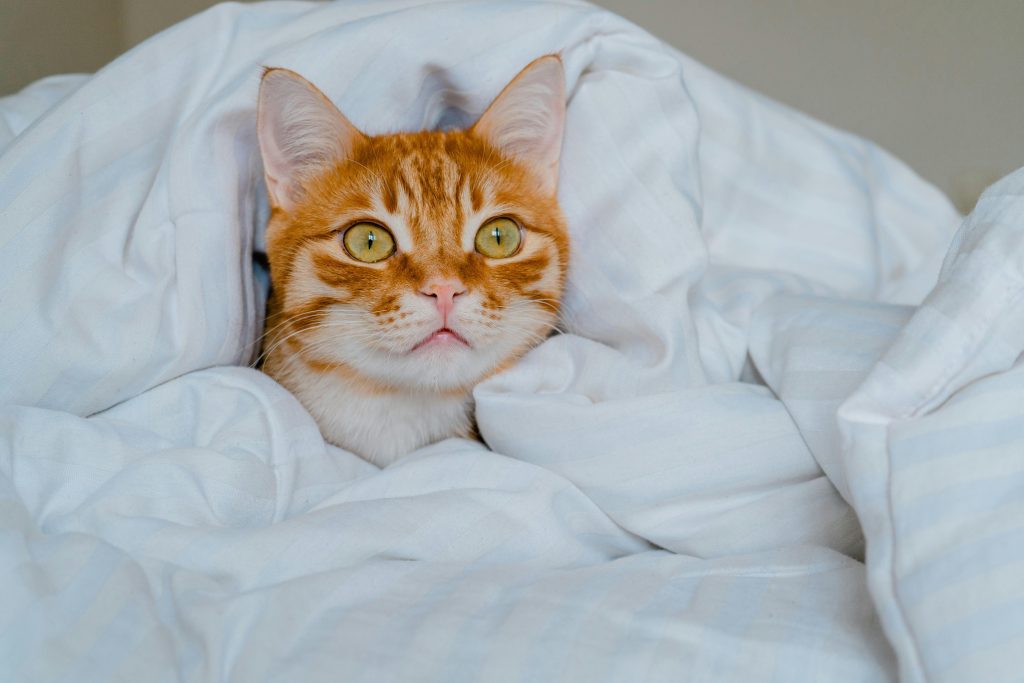
Cozy Havens for Your Feline Friend
One of the most important aspects of caring for your cat in winter is ensuring they stay warm. Here are some effective ways to keep your feline friend cozy:
- Provide warm sleeping areas: Set up comfortable beds in warm spots around your home. Consider heated cat beds for extra warmth.
- Maintain a comfortable indoor temperature: Keep your home at a consistent, comfortable temperature, ideally between 65-75°F (18-24°C).
- Block drafts: Seal any gaps or cracks in windows and doors to prevent cold air from seeping in.
- Offer extra bedding: Provide additional blankets or towels for your cat to snuggle into.
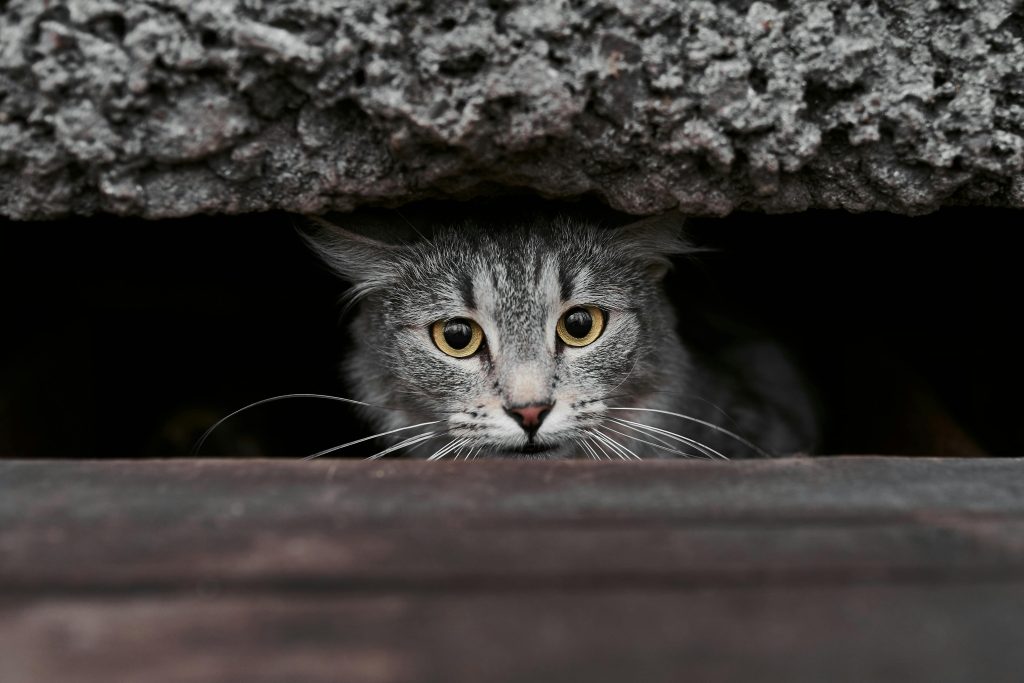
- Create cozy hideaways: Set up cardboard boxes lined with soft blankets as warm retreats for your cat.
Winter Nutrition for Felines
Proper nutrition is crucial for your cat in winter. Cats may need more calories during colder months to maintain their body temperature. Here are some tips for feeding your cat in winter:
- Increase calorie intake: Consider offering slightly larger portions or higher-calorie food, especially for outdoor cats.
- Provide fresh water: Ensure your cat always has access to clean, unfrozen water.
- Serve warm meals: Slightly warming your cat’s food can make it more appealing and help raise their body temperature.
- Monitor weight: Keep an eye on your cat’s weight to prevent obesity, which can be a risk with increased calorie intake.

Cold Weather Grooming Tips
Winter can be tough on your cat’s skin and coat. Here’s how to maintain your cat’s grooming routine during the colder months:
- Brush regularly: Frequent brushing helps distribute natural oils and prevents matting.
- Address dry skin: If your cat develops dry, flaky skin, consult your vet about supplements or special shampoos.
- Trim carefully: If you trim your cat’s fur, be careful not to cut it too short, as their coat provides insulation.
- Wipe paws: If your cat goes outdoors, wipe their paws when they come inside to remove any salt or ice-melting chemicals.

Outdoor Adventures: Keeping Your Cat in Winter Safe
If your cat spends time outdoors, take extra precautions during winter:
- Limit outdoor time: Keep outdoor excursions brief during extremely cold weather.
- Provide shelter: If your cat must be outside, ensure they have access to a warm, dry shelter.
- Use reflective gear: Consider a reflective collar to make your cat more visible in low light conditions.
- Check for hazards: Before starting your car, tap on the hood to alert any cats that might be seeking warmth in the engine compartment.
Indoor Enrichment for Chilly Days
Keeping your cat entertained indoors is especially important during winter when outdoor activities may be limited:
- Interactive toys: Provide puzzle feeders and interactive toys to keep your cat mentally stimulated.
- Create vertical spaces: Set up cat trees or shelves to give your cat climbing opportunities.
- Play sessions: Engage in regular play sessions to keep your cat active and maintain a healthy weight.
- Sunny spots: Create cozy resting areas near windows where your cat can bask in sunlight.

Winter Health Considerations
Winter can exacerbate certain health issues in cats:
- Arthritis: Cold weather can worsen joint pain. Provide soft bedding and consider joint supplements.
- Respiratory issues: Keep your home well-ventilated to prevent respiratory problems caused by dry air.
- Skin conditions: Watch for signs of dry skin or allergies, which can be aggravated by indoor heating.
- Parasites: Continue flea and worm treatments, as these pests can still be active in winter.
Preparing for Winter Emergencies
Be prepared for winter emergencies:
- Create an emergency kit: Include cat food, water, medications, and a carrier.
- Have a plan: Know where you can take your cat if you need to evacuate due to extreme weather.
- Update identification: Ensure your cat’s microchip and ID tags are up to date.
By following these guidelines, you can ensure your cat remains safe, comfortable, and healthy throughout the winter months. Remember, every cat is unique, so pay attention to your feline friend’s specific needs and behaviors during the cold season. With proper care and attention, you and your cat can enjoy a cozy and happy winter together.

Natural Hairball Prevention: Dietary Fiber, Grooming Hacks & Holistic Solutions
Every cat parent knows the sound. It usually happens at 3:00 AM—a rhythmic, gagging cough echoed across the hardwood floor, culminating in a wet, cylindrical mass known scientifically as a trichobezoar. While hairballs are often dismissed as an unavoidable quirk of feline life, frequent regurgitation is actually a sign that

The Silent Language of Purrs: How Feline Frequencies Heal Bones and Relieve Human Stress
There is a quiet, transformative magic that unfolds when a feline curled on your lap begins to purr. Beyond a simple expression of contented bliss, that low, rhythmic rumble vibrates through your chest, soothing away the day’s tensions. As a certified feline behavior specialist and chief editor of Spoiled Kitty,

Understanding Feline Scent Marking: Why Headbutting and Bunting Means Total Devotion
If you have ever been lounging peacefully on the sofa only for your cat to march up, lower their head, and forcefully press their forehead into your chin or cheek, you have experienced one of the most heartwarming rituals in the animal kingdom. To the uninitiated, this sudden head slam