




Welcome to the exhilarating, chaotic, and utterly adorable world of kittenhood! Raising a kitten is a journey filled with playful pounces, clumsy tumbles, and heart-melting moments. One of the most important aspects of kitten care is providing appropriate toys. Play isn’t just a frivolous activity; it’s fundamental to a kitten’s development, helping them hone their hunting skills, develop coordination, learn social cues, and build a strong bond with you.
But with a dizzying array of cat toys available, choosing the right ones for your tiny furball can feel overwhelming. This guide will break down the essentials of kitten play, the key characteristics to consider, and the best (and worst) types of toys for this crucial developmental stage.

Understanding the Kitten Mind: Why Play Matters So Much
Kittens are essentially miniature predators in training. Their playful antics are practice sessions for the skills they would need to survive in the wild: stalking, chasing, pouncing, and capturing prey. Even though your kitten will likely never need to hunt for their dinner, these instincts are deeply ingrained. Play allows them to:
- Develop Motor Skills: Kittens are constantly refining their coordination, balance, and agility. Play provides the perfect opportunity to practice these skills in a safe and controlled environment.
- Learn Social Skills (with Littermates/Other Cats): If your kitten has littermates or other friendly feline companions, play is crucial for learning social boundaries. Wrestling, chasing, and gentle biting teach them what’s acceptable and what’s not in feline interactions.
- Sharpen Hunting Instincts: Every pounce, every wiggle, every chase is a rehearsal for the hunt. Play helps them develop the speed, precision, and focus they’ll need (even if it’s just for “hunting” a toy mouse).
- Explore Their World: Kittens are naturally curious, and toys provide a safe outlet for that curiosity. They’ll explore different textures, sounds, and movements, learning about their environment in the process.
- Bond with You: Interactive play is one of the best ways to build a strong bond with your kitten. It creates positive associations, teaches them to trust you, and establishes you as a source of fun and engagement.
- Relieve Boredom and Prevent Destructive Behavior: A bored kitten is a destructive kitten. Providing plenty of appropriate toys helps channel their energy in positive ways, preventing them from turning to your furniture, curtains, or shoes for entertainment.
- Relieve discomfort, while teeth are growing.

Key Characteristics of Kitten Play:
Before diving into specific toy recommendations, it’s helpful to understand the hallmarks of kitten play:
- High Energy Bursts: Kittens are known for their “zoomies” – sudden bursts of intense activity followed by periods of deep sleep. Their play reflects this, often involving short, energetic sprints, pounces, and rolls.
- Mouthing and Chewing: Just like human babies, kittens explore the world with their mouths. They’ll mouth, nibble, and chew on toys (and sometimes your fingers!) to explore textures and relieve teething discomfort.
- Developing Coordination: Their motor skills are still developing, so they may be clumsy and uncoordinated at times. This is perfectly normal and part of the learning process.
- Short Attention Spans: Kittens may flit from one toy to another quickly. Don’t be surprised if their interest in a particular toy wanes after a few minutes.
- Curiosity and Exploration: Everything is new and exciting to a kitten. They’ll be fascinated by crinkling sounds, different textures, and anything that moves.
The Best Toys for Kittens (0-6 Months):
Now, let’s get to the fun part – the toys! Here’s a breakdown of the best types of toys for kittens, along with specific recommendations:
- Soft and Plush Toys:
- Why They’re Great: These toys are perfect for snuggling, carrying, and “killing.” Kittens love to pounce on them, bunny-kick them, and carry them around like prized possessions. The soft texture is also comforting for teething kittens.
- Recommendations:
- Small plush mice (make sure they’re too big to swallow).
- Fuzzy balls.
- Fabric toys filled with catnip (although kittens often don’t react to catnip until they’re older).
- Soft, stuffed animals (without small, detachable parts).
- Safety Note: Always inspect plush toys for loose seams or small parts that could be ripped off and swallowed.
- Crinkle Toys:
- Why They’re Great: The crinkling sound is incredibly stimulating for kittens, capturing their attention and triggering their hunting instincts.
- Recommendations:
- Crinkle balls.
- Toys with crinkle material inside.
- Flat, crinkly mats.
- Tunnels with crinkle lining.
- Safety Note: Ensure the crinkle material is securely enclosed within the toy.
- Wand Toys (Interactive Play is KEY!):
- Why They’re Great: Wand toys are arguably the most important type of toy for kittens. They allow for interactive play, which is crucial for bonding, teaching appropriate play behavior, and satisfying their hunting instincts. You control the movement of the toy, mimicking the erratic flight of a bird or the scurrying of a mouse.
- Recommendations:
- Feather wands.
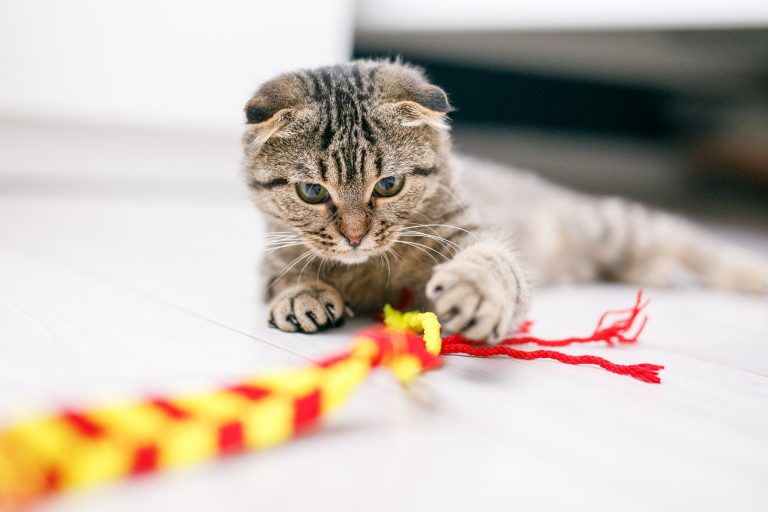
- Ribbon wands.
- Wands with small, plush toys attached.
- Telescoping wands for extended reach.
- Safety Note: Always supervise wand toy play. Never leave the wand toy out unattended, as the string can be a serious hazard if swallowed. Store it safely out of reach when not in use.
- Tunnels:
- Why They’re Great: Cat tunnels provide a safe and exciting space for kittens to explore, hide, and ambush their toys (or you!). The enclosed space provides a sense of security, and the rustling sound many tunnels make adds to the excitement.
- Recommendations:
- Collapsible tunnels for easy storage.
- Tunnels with multiple openings.
- Tunnels with dangling toys inside.
- Safety Note: Ensure the tunnel is made of durable material and doesn’t have any sharp edges or exposed wires.
- Kicker Toys:
- Why They’re Great: These larger, often sausage-shaped toys are designed for kittens to grab with their front paws and kick with their back paws. This satisfies their natural wrestling and bunny-kicking instincts, which are part of their hunting repertoire.
- Recommendations:
- Kicker toys filled with catnip (if your kitten responds to it).
- Kicker toys made of durable fabric.
- Safety Note: Make sure the kicker toy is appropriately sized for your kitten – not too small that it could be swallowed, and not too large that it’s unwieldy.
- Safe Chew Toys:
- Why They’re Great: Kittens explore the world with their mouth and will often chew for teething relief. Providing safe chew toys helps redirect this behavior away from your fingers, furniture and electric cords.
- Recommendations
- Rubber or soft plastic toys, specifically for teething.
- Toys with varied textures.
- Safety Note: Check regularly if the toy is not damaged and pieces are not falling off.
- Balls:
- Why They’re Great: Simple balls of different textures encourage the kitten to run around and exercise.
- Recommendations:
- Ping pong balls.
- Balls made out of foil.
- Soft fabric balls.
- Balls with bells inside.
- Safety Note: The ball should not be so small, the kitten could swallow it.
Toys to Avoid (or Use with EXTREME Caution):
Just as important as knowing what toys to get is knowing what to avoid. Here are some toys that are either dangerous or not recommended for kittens:
- Toys with Small, Detachable Parts: This is a major hazard. Avoid toys with buttons, bells, googly eyes, or any other small parts that can be easily chewed off and swallowed. This can lead to choking or intestinal blockages.
- String, Yarn, Ribbon, Rubber Bands, or Dental Floss (Unsupervised): While wand toys are fantastic with supervision, loose string, yarn, ribbon, or similar materials are incredibly dangerous if ingested. They can cause linear foreign bodies, a life-threatening condition that often requires surgery.
- Laser Pointers (Use with Caution and Modification): While laser pointers can provide exercise, they can also be frustrating for kittens (and cats in general) because they can never “catch” the prey. This can lead to obsessive behavior in some cats. If you choose to use a laser pointer, always end the play session by shining the laser onto a physical toy that the kitten can “catch” and “kill.” This provides a sense of closure and satisfaction.
- Anything That Could Be Easily Swallowed: This includes small balls, plastic pieces, and anything else that could potentially become lodged in the kitten’s throat or digestive tract.
- Toys Made with Toxic Materials: Ensure that any toys you purchase are made from non-toxic materials. Look for toys labeled as “pet-safe” or “non-toxic.”

Tips for Successful Kitten Playtime:
- Short and Frequent Sessions: Kittens have short attention spans, so aim for multiple short play sessions throughout the day rather than one long session.
- Rotate Toys: To keep things interesting, rotate toys regularly. Put some away and bring out “new” ones every few days.
- Mimic Prey: When using wand toys, mimic the movements of prey animals. Make the toy dart, flutter, and hide, just like a real bird or mouse would.
- Let Them “Catch” the Toy: Allow your kitten to “catch” the toy regularly during play. This provides a sense of accomplishment and reinforces their hunting instincts.
- End on a Positive Note: Always end play sessions on a positive note, with a treat, a cuddle, or a final “catch” of the toy.
- Supervise, Supervise, Supervise: Always supervise your kitten during playtime, especially with new toys.
- Observe and Adapt: Pay attention to your kitten’s preferences. Some kittens love to chase, while others prefer to stalk and pounce. Tailor your play sessions to their individual style.
Conclusion:
Providing appropriate toys for your kitten is an investment in their physical and mental well-being. By understanding their developmental needs and choosing toys that cater to their natural instincts, you can help them grow into happy, healthy, and well-adjusted adult cats. Remember that play is not just about entertainment; it’s about learning, bonding, and providing a fulfilling life for your tiny feline friend. Enjoy the whirlwind of kittenhood – it goes by fast!

Natural Hairball Prevention: Dietary Fiber, Grooming Hacks & Holistic Solutions
Every cat parent knows the sound. It usually happens at 3:00 AM—a rhythmic, gagging cough echoed across the hardwood floor, culminating in a wet, cylindrical mass known scientifically as a trichobezoar. While hairballs are often dismissed as an unavoidable quirk of feline life, frequent regurgitation is actually a sign that

The Silent Language of Purrs: How Feline Frequencies Heal Bones and Relieve Human Stress
There is a quiet, transformative magic that unfolds when a feline curled on your lap begins to purr. Beyond a simple expression of contented bliss, that low, rhythmic rumble vibrates through your chest, soothing away the day’s tensions. As a certified feline behavior specialist and chief editor of Spoiled Kitty,

Understanding Feline Scent Marking: Why Headbutting and Bunting Means Total Devotion
If you have ever been lounging peacefully on the sofa only for your cat to march up, lower their head, and forcefully press their forehead into your chin or cheek, you have experienced one of the most heartwarming rituals in the animal kingdom. To the uninitiated, this sudden head slam