


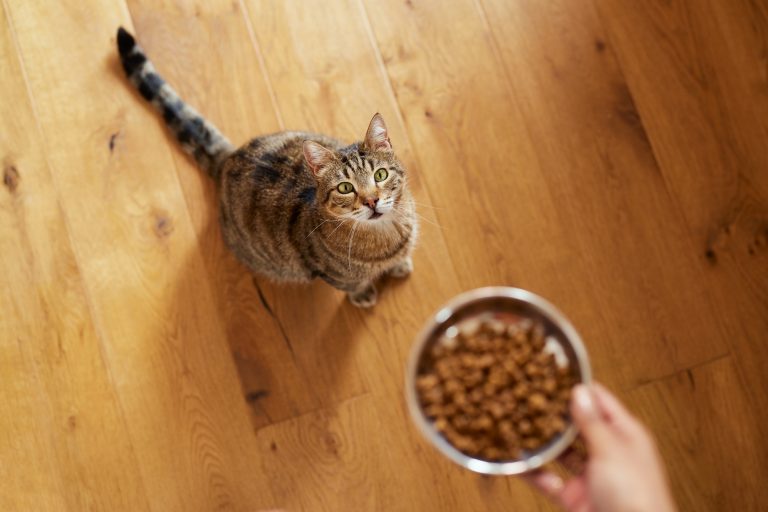

As cats enter their senior years, typically around age 7 and older, their nutritional needs change significantly. Proper nutrition becomes even more crucial to support their health, maintain their quality of life, and address age-related changes. Feeding a senior cat isn’t just about providing calories; it’s about providing the right balance of nutrients to manage age-related health issues, support their changing metabolism, and keep them happy and comfortable. This comprehensive guide will delve into the specific nutritional needs of senior cats, dietary considerations, common health problems, and practical tips for feeding your aging feline companion.

Understanding Senior Cat Life Stages
Before diving into nutrition, it’s helpful to understand the different stages of senior cat life:
- Mature Cat: Ages 7-10 years. This stage is often considered early senior. Cats may start showing subtle signs of aging, but are generally still quite active.
- Senior Cat: Ages 11-14 years. This is the true senior stage where age-related changes become more apparent. Metabolism and activity levels often start to decline more noticeably.
- Geriatric Cat: Ages 15 years and older. Geriatric cats are in advanced old age and are more prone to age-related health issues. They require even more specialized care and attention to their nutritional needs.
Changing Nutritional Needs of Senior Cats
As cats age, their bodies undergo several changes that affect their nutritional requirements:
- Metabolic Slowdown: Metabolism tends to slow down with age, meaning senior cats may require fewer calories than younger adult cats to maintain a healthy weight. However, this is not always the case, and some senior cats can become underweight.
- Decreased Muscle Mass: Senior cats are prone to losing muscle mass (sarcopenia) as they age. This can lead to weakness, reduced mobility, and a decreased ability to maintain a healthy weight. Therefore, adequate protein intake is vital.
- Reduced Kidney Function: Kidney disease is common in older cats. Therefore, diets with controlled phosphorus levels and moderate protein can be beneficial to support kidney health.
- Digestive Changes: Digestive efficiency may decrease in senior cats, making it important to provide easily digestible foods.
- Weakened Immune System: The immune system can become less efficient with age, making senior cats more susceptible to infections. Certain nutrients, like antioxidants and vitamins, can help support immune function.
- Changes in Senses of Taste and Smell: Senior cats may experience a decline in their senses of taste and smell, which can affect their appetite. Palatability becomes even more important in senior cat foods.
- Joint Issues and Arthritis: Arthritis is common in older cats. Nutrients like omega-3 fatty acids, glucosamine, and chondroitin can help support joint health and mobility.
- Dental Issues: Dental problems are also prevalent in senior cats and can make eating dry kibble difficult. Softer, wet food may be more appealing and easier to eat.

Key Dietary Considerations for Senior Cats
When choosing food for your senior cat, consider the following:
- High-Quality Protein: Protein is crucial for maintaining muscle mass, supporting organ function, and a healthy immune system. Senior cat foods should contain high-quality, easily digestible protein sources. While older recommendations often suggested limiting protein for senior cats due to kidney concerns, current research suggests that moderate protein levels are beneficial and necessary to prevent muscle loss, especially if kidney disease is not present or in early stages. Consult with your veterinarian about the appropriate protein level for your individual cat, especially if kidney issues are a concern.
- Moderate Fat: Fat is an important energy source and provides essential fatty acids like omega-3 and omega-6. Omega-3 fatty acids, particularly EPA and DHA found in fish oil, are beneficial for joint health, brain function, and skin and coat health. However, calorie intake needs to be monitored to prevent weight gain if your cat is less active.
- Digestible Carbohydrates: Carbohydrates provide energy, and easily digestible sources like rice or cooked grains are preferable. Avoid foods with excessive fillers or low-quality carbohydrates.
- Fiber: Moderate fiber is important for digestive health and can help with issues like constipation, which can be more common in senior cats. Beet pulp, psyllium, and other fiber sources can be beneficial.
- Vitamins and Minerals: Ensure the food is balanced in essential vitamins and minerals. Antioxidants like vitamin E and vitamin C can help support immune function and combat oxidative stress associated with aging. B vitamins are important for energy metabolism.
- Water Content: Hydration is critical for senior cats, especially as kidney function may decline. Wet food (canned or pouch) has a much higher water content than dry kibble and can help increase water intake. If feeding dry food, always ensure fresh, clean water is readily available and consider adding water fountains to encourage drinking.
- Palatability and Texture: As sense of taste and smell can diminish, and dental problems can arise, palatability and texture are key. Wet food is generally more palatable and easier to eat for senior cats, especially those with dental issues. Warming food slightly can also enhance its aroma and palatability.
- Controlled Phosphorus: If your senior cat has been diagnosed with kidney disease, your veterinarian may recommend a diet with restricted phosphorus levels. High phosphorus intake can worsen kidney disease progression.
- Sodium Control: While sodium is essential, excessive sodium may be a concern for cats with certain health conditions, like heart disease or kidney disease. Moderately restricted sodium levels are often recommended in senior cat foods, particularly prescription diets for specific health conditions.
- Joint Support Nutrients: For cats with arthritis, look for foods that contain glucosamine and chondroitin, which are building blocks for cartilage and can help support joint health. Omega-3 fatty acids also have anti-inflammatory properties beneficial for joints.

Choosing the Right Senior Cat Food
With so many cat food options on the market, selecting the right one for your senior cat can feel overwhelming. Here’s how to navigate the choices:
- Read Labels Carefully: Don’t just look at the “senior” label. Scrutinize the ingredient list and guaranteed analysis. Look for named meat sources as the first ingredients (e.g., chicken, turkey, fish), avoid excessive fillers, and check the protein, fat, and fiber percentages.
- Consider Wet vs. Dry Food: As mentioned earlier, wet food is generally more beneficial for senior cats due to its higher water content, palatability, and softer texture. A combination of wet and dry food can be a good compromise, or primarily wet food if hydration and palatability are major concerns. However, if your cat prefers dry food and is drinking well, high-quality senior dry food is also an option.
- Senior-Specific Formulas: Look for commercially available cat foods specifically formulated for senior cats. These are generally designed to meet the specific nutritional needs discussed above, often having controlled phosphorus, added joint support, and easily digestible ingredients.
- Prescription Diets: If your senior cat has been diagnosed with a health condition like kidney disease, diabetes, or hyperthyroidism, your veterinarian may prescribe a therapeutic diet. These diets are specially formulated to manage specific health issues and should only be used under veterinary guidance.
- Life Stage Formulas: If your cat is in the early senior stage (7-10 years old) and healthy, a high-quality “adult maintenance” food might still be suitable, especially if it’s highly digestible and palatable. However, as they age further, transitioning to a dedicated senior formula is generally advisable.
- Consider Individual Needs: Every cat is an individual. Factors like activity level, health status, and preferences will play a role in determining the best diet. What works for one senior cat may not be ideal for another.
- Consult Your Veterinarian: The best resource for choosing the right food for your senior cat is your veterinarian. They can assess your cat’s individual health, age, and lifestyle and recommend the most appropriate diet. Don’t hesitate to discuss your cat’s nutrition with your vet during regular check-ups.

Common Health Issues in Senior Cats and Nutritional Management
Proper nutrition can play a significant role in managing common health issues in senior cats:
- Kidney Disease (Chronic Kidney Disease – CKD):
- Nutritional Goals: Controlled phosphorus, moderate protein of high quality, increased omega-3 fatty acids, potassium supplementation (if needed), highly palatable and digestible food to encourage eating, increased water intake (wet food is beneficial). Prescription renal diets are often recommended.
- Arthritis and Joint Pain:
- Nutritional Goals: Omega-3 fatty acids (EPA and DHA), glucosamine and chondroitin supplementation, weight management to reduce joint stress. Diets enriched with these nutrients or supplements can be helpful.
- Dental Disease:
- Nutritional Goals: Soft food (wet food) is easier to eat for cats with dental problems. If dry food is still fed, smaller kibble sizes may be easier. Dental diets with larger kibble sizes can help promote dental health in cats without dental issues, but are not appropriate for cats with significant dental disease. Regular dental cleanings are essential.
- Hyperthyroidism:
- Nutritional Goals: Iodine-restricted prescription diets are available to manage hyperthyroidism without medication in some cases. These diets require strict adherence and no other food sources. Other treatments like medication or radioactive iodine therapy are also common.
- Diabetes Mellitus:
- Nutritional Goals: High-protein, low-carbohydrate diets are often recommended to help manage blood sugar levels. Prescription diabetic diets are available. Weight management is also crucial.
- Cognitive Dysfunction Syndrome (Feline Dementia):
- Nutritional Goals: Diets enriched with antioxidants (vitamin E, vitamin C, beta-carotene), omega-3 fatty acids, and L-carnitine are sometimes recommended to support brain health.
- Inflammatory Bowel Disease (IBD) and Digestive Issues:
- Nutritional Goals: Highly digestible diets with novel or hydrolyzed proteins, limited ingredients, and prebiotic and probiotic supplementation may be beneficial. Food trials are often used to identify food sensitivities.
- Weight Loss and Muscle Wasting:
- Nutritional Goals: High-quality, palatable food with adequate protein and calories to support weight gain and muscle mass. Rule out underlying medical conditions causing weight loss. Appetite stimulants may be needed in some cases, under veterinary guidance.

Practical Tips for Feeding Senior Cats
- Transition Gradually to New Food: When switching to a new senior food, do it gradually over 7-10 days to avoid digestive upset. Mix small amounts of the new food with the old food, gradually increasing the proportion of new food each day.
- Feed Multiple Small Meals: Senior cats may do better with smaller, more frequent meals rather than one or two large meals per day. This can be easier on their digestion and may be more appealing if they have decreased appetite.
- Warm Food Slightly: Warming wet food slightly can enhance its aroma and palatability, which is helpful if your senior cat is a picky eater or has a diminished sense of smell.
- Provide Fresh Water at All Times: Ensure fresh, clean water is always available, in multiple locations. Consider using water fountains to encourage drinking. Monitor water intake and urine output, especially if kidney disease is a concern.
- Monitor Weight Regularly: Weigh your cat regularly at home and track their weight. Note any significant weight loss or gain and discuss it with your veterinarian.
- Watch for Changes in Appetite: Pay attention to your cat’s appetite. Decreased appetite can be a sign of underlying health problems. Consult your veterinarian if you notice any significant changes in eating habits.
- Provide a Quiet and Comfortable Eating Area: Make sure your senior cat has a quiet, comfortable, and easily accessible place to eat, away from stress or competition from other pets. Raised food bowls can be beneficial for cats with arthritis or mobility issues.
- Regular Veterinary Check-ups are Essential: Routine veterinary check-ups, at least annually (or more frequently for older cats or those with health issues), are crucial for senior cats. Your vet can monitor their health, detect age-related problems early, and provide personalized dietary recommendations.

Conclusion
Nutrition is a cornerstone of senior cat care. By understanding the changing nutritional needs of aging felines and providing them with a balanced, high-quality diet tailored to their individual requirements, you can significantly contribute to their health, comfort, and longevity. Working closely with your veterinarian to choose the right food and manage any age-related health issues will ensure your senior cat enjoys a happy, healthy, and fulfilling golden age. Remember that senior cats often require more attention and adjustments to their diet and care – paying close attention to their needs and making appropriate changes is a key part of loving and caring for your aging feline companion.
Natural Hairball Prevention: Dietary Fiber, Grooming Hacks & Holistic Solutions
Every cat parent knows the sound. It usually happens at 3:00 AM—a rhythmic, gagging cough echoed across the hardwood floor, culminating in a wet, cylindrical mass known scientifically as a trichobezoar. While hairballs are often dismissed as an unavoidable quirk of feline life, frequent regurgitation is actually a sign that

The Silent Language of Purrs: How Feline Frequencies Heal Bones and Relieve Human Stress
There is a quiet, transformative magic that unfolds when a feline curled on your lap begins to purr. Beyond a simple expression of contented bliss, that low, rhythmic rumble vibrates through your chest, soothing away the day’s tensions. As a certified feline behavior specialist and chief editor of Spoiled Kitty,

Understanding Feline Scent Marking: Why Headbutting and Bunting Means Total Devotion
If you have ever been lounging peacefully on the sofa only for your cat to march up, lower their head, and forcefully press their forehead into your chin or cheek, you have experienced one of the most heartwarming rituals in the animal kingdom. To the uninitiated, this sudden head slam