

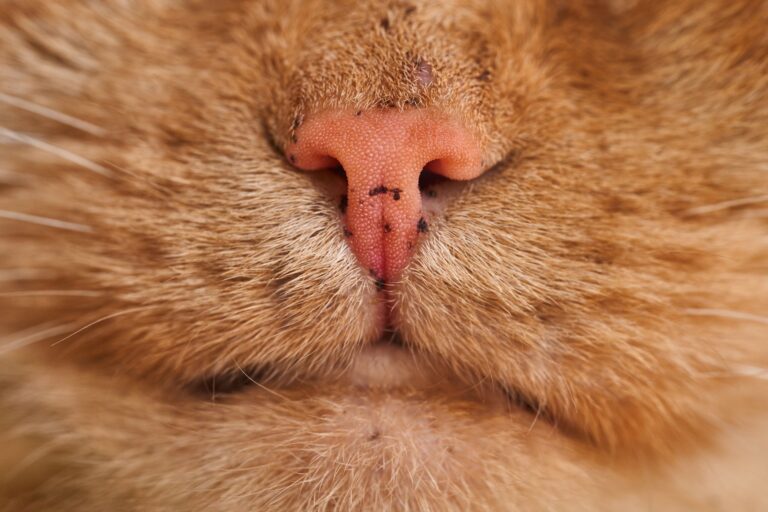





Cats have been our companions for thousands of years, but how much do we really know about these enigmatic creatures? You might be surprised to learn that there’s a lot more to your feline friend than meets the eye. Here are 10 fascinating facts about cats that will challenge your assumptions and give you a newfound appreciation for these furry enigmas.
1. Cats Have More Bones Than Humans
While humans have 206 bones, cats have a remarkable 230 bones ! This skeletal structure gives them incredible flexibility and agility, allowing them to squeeze into tight spaces, leap great distances, and land gracefully on their feet. This unique anatomy is what makes cats so adept at climbing, hunting prey, and hiding in small spaces.
2. Cats Can Purr at a Frequency That Heals
That soothing purr isn’t just a sign of contentment. Studies have shown that the frequency of a cat’s purr (between 25 and 150 Hz) can promote healing in both cats and humans . These vibrations can help accelerate bone and muscle repair, reduce swelling, and even ease breathing difficulties. So, the next time your cat curls up on your lap and starts purring, remember that they might be instinctively helping you heal!

3. Cats Have a “Sixth Sense”
Cats have a unique organ called the vomeronasal organ (also known as Jacobson’s organ), located in the roof of their mouths . This organ allows them to “taste” scents in the air, giving them an extra sensory dimension that helps them detect pheromones, navigate their surroundings, and even sense changes in the environment. This “sixth sense” gives them an edge in hunting and helps them find mates.
4. A Cat’s Whiskers Are More Than Just Facial Hair
Those adorable whiskers aren’t just for show. They are highly sensitive tactile hairs that help cats navigate in low-light conditions, detect changes in air currents, and even judge the width of openings . So, the next time you see your cat with their whiskers perked up, know that they are gathering crucial information about their surroundings. Whiskers also help them hunt and prevent them from bumping into objects.
5. Cats Can Survive Falls From Great Heights
Cats have an incredible ability to survive falls from high places . Their righting reflex, flexible spine, and relatively small weight allow them to twist their bodies mid-air and land on their feet, minimizing the impact. However, it’s important to note that cats are not invincible, and falls can still cause serious injuries. Nevertheless, their ability to survive falls is truly remarkable.
6. Cats Have a Unique Way of Drinking
Unlike dogs, who lap up water with their tongues, cats use a fascinating technique to drink . They gently touch the surface of the water with their tongue, creating a column of liquid that they then draw into their mouths. This elegant method allows them to drink efficiently without getting their chins wet. This technique is due to the special shape of their tongue, which has tiny barbs.

7. Cats Can Be Left- or Right-Pawed
Just like humans, cats can have a dominant paw . Studies have shown that male cats tend to favor their left paw, while female cats are more likely to be right-pawed. This preference can be observed in activities such as playing, reaching for objects, or stepping over obstacles. This is another example of how cats are similar to humans.
8. Cats Meow Only to Communicate With Humans
While cats use a variety of vocalizations to communicate with each other, meowing is primarily reserved for interacting with humans . They have learned that meowing is an effective way to get our attention and solicit food, affection, or playtime. This demonstrates their intelligence and ability to adapt.
9. Cats Have a “Blind Spot” Right in Front of Their Noses
Despite their excellent vision, cats have a small blind spot right in front of their noses . This is because their eyes are positioned on the sides of their heads, which gives them a wider field of vision but limits their depth perception at close range. Despite this blind spot, cats still have excellent vision, especially in low-light conditions.

10. The Oldest Cat Lived to Be 38 Years Old!
The Guinness World Record for the oldest cat ever is held by Creme Puff, who lived to the ripe old age of 38 years and 3 days . Creme Puff’s longevity is a testament to the potential lifespan of these amazing creatures and a reminder that with proper care and attention, our feline companions can enjoy many happy years by our side. This is encouraging for all cat owners who want their beloved pets to live long and healthy lives.
11. Cats Have 32 Muscles in Each Ear
Ever wondered how cats can swivel their ears so precisely towards a sound? Well, it’s because they have a remarkable 32 muscles in each ear! These muscles allow them to rotate their ears 180 degrees and pinpoint the source of a sound, giving them an edge in hunting and detecting danger.
12. A Group of Cats Is Called a “Clowder”
You might have heard of a “flock of birds” or a “herd of sheep,” but did you know that a group of cats is called a “clowder” ? This term dates back to the 15th century and is used to describe a group of cats living together. Interestingly, other terms are also used for a group of cats, such as “glaring” and “pounce.”

13. Cats Rub Against People to Mark Their Territory
When your cat rubs against your legs or face, it’s not just a sign of affection. Cats have scent glands on their cheeks, paws, and flanks that they use to mark their territory . When they rub against you, they are leaving a message for other cats that you are “theirs.” It’s their way of showing affection and including you in their world.
Conclusion
Cats are full of surprises, and these 13 facts are just a glimpse into the complex and fascinating world of our feline friends. Who knew cats had so many hidden talents? By understanding their unique behaviors, physical attributes, and sensory perceptions, we can deepen our bond with them and provide them with the best possible care. These surprising facts prove that there’s always something new to learn about our feline companions. Share this article with your cat-loving friends, and let us know in the comments what surprising cat facts you have!

Mindful Feline Living: Guide #9256 to Indoor Cat Happiness
Welcome to Spoiled Kitty’s sanctuary of mindful feline care. As a certified feline behavior specialist and chief editor, I frequently meet dedicated cat parents who wonder if their cherished indoor companions are truly thriving. While keeping cats indoors dramatically increases their lifespan and keeps them safe from external hazards, it
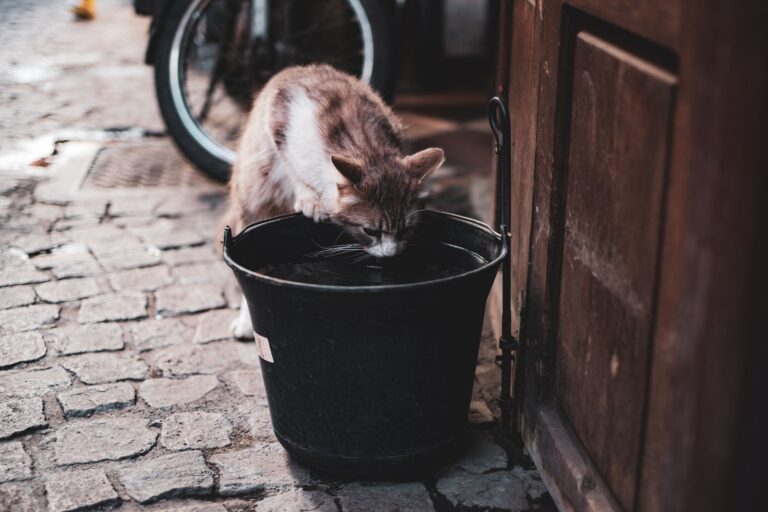
The Ultimate Guide to Feline Hydration: Why Running Water Protects Cat Kidneys
Welcome back to Spoiled Kitty, your ultimate destination for luxury mindful cat wellness. As a certified feline behavior specialist, I often hear concerned pet parents ask why their sophisticated feline refuses to drink from a standard ceramic bowl. The answer lies deep within their evolutionary history. Domestic cats are descendants
Whisker Fatigue in Cats: Why Your Cat Leaves Food on the Edges of the Bowl
Picture this: You carefully spoon gourmet pâté into your cat’s favorite ceramic bowl, only to return an hour later and find a strange, geometric ring of food left untouched around the very edges. Your feline companion acts hungry, meowing plaintively by the pantry, yet refuses to touch the remaining morsels.