




As our feline companions enter their golden years, their care requirements evolve. Understanding and adapting to these changes is crucial for ensuring your senior cat’s comfort, health, and happiness. This comprehensive guide will help you navigate the unique challenges of caring for an older cat, providing in-depth insights into their changing needs.
When Is a Cat Considered Senior?
Cats are generally considered seniors when they reach 11 years of age. However, some may show signs of aging as early as 7, while others remain spry well into their teens. It’s important to recognize that each cat ages differently, and factors such as breed, diet, and overall health can influence the aging process.
The concept of feline age in human years isn’t as simple as the old “multiply by 7” rule. A more accurate comparison is:
- 7 cat years ≈ 54 human years
- 10 cat years ≈ 63 human years
- 15 cat years ≈ 78 human years
- 20 cat years ≈ 97 human years
Regular veterinary check-ups become increasingly vital as they grow older, allowing for early detection and management of age-related issues.

Physical Changes and Health Considerations
Mobility Issues
As cats age, they may develop arthritis or other joint problems. These issues can significantly impact their quality of life and daily activities. You might notice your cat:
- Hesitating before jumping onto furniture
- Having difficulty climbing stairs or accessing favorite perches
- Sleeping more than usual
- Showing signs of stiffness, especially after resting
To help your senior cat maintain mobility and comfort:
- Provide ramps or steps to favorite perches: This allows them to access high spots without straining their joints.
- Place food, water, and litter boxes on easily accessible levels: Ensure these essentials are within easy reach to prevent unnecessary strain.
- Invest in orthopedic beds: These provide extra support for aging joints and can significantly improve your cat’s comfort while resting.
- Consider joint supplements: Glucosamine and chondroitin supplements, under veterinary guidance, may help support joint health.
Dental Health
Dental problems are common in older cats and can significantly impact their quality of life. Poor dental health isn’t just about bad breath; it can lead to pain, difficulty eating, and even systemic health issues. Watch for signs of dental discomfort, such as:
- Difficulty eating or dropping food
- Bad breath
- Drooling or pawing at the mouth
- Visible tartar buildup or inflamed gums
To maintain your senior cat’s dental health:
- Schedule regular dental check-ups and cleanings with your veterinarian
- Brush your cat’s teeth regularly using cat-specific toothpaste
- Provide dental treats or toys designed to promote oral health
- Consider a dental-friendly diet recommended by your vet

Vision and Hearing Changes
Senior cats may experience deterioration in their vision and hearing. These changes can be gradual and may not be immediately noticeable. Signs of sensory decline include:
- Bumping into objects
- Becoming easily startled
- Not responding to familiar sounds or voices
- Changes in eye appearance (cloudiness, dilation)
To accommodate these changes:
- Keep their environment consistent: Avoid rearranging furniture to help them navigate familiar spaces.
- Use night lights: This helps them navigate in the dark and reduces anxiety.
- Approach your cat carefully: Always approach from the front to avoid startling them.
- Enhance visual and auditory cues: Use contrasting colors for food bowls and litter boxes, and consider using louder toys for play.
Nutritional Needs
As cats age, their nutritional requirements change significantly. Senior cats often need:
- Fewer calories due to decreased activity: This helps prevent obesity, which can exacerbate joint problems and other health issues.
- More easily digestible proteins: Aging kidneys may struggle with processing protein waste, so high-quality, easily digestible proteins are crucial.
- Increased fiber for digestive health: This helps maintain regular bowel movements and can prevent constipation, a common issue in older cats.
- Adequate hydration: Older cats may be prone to dehydration, so wet food or water fountains can encourage increased water intake.
When selecting a senior cat food:
- Look for foods specifically formulated for senior cats
- Consider prescription diets if your cat has specific health issues
- Gradually transition to new foods to avoid digestive upset
Consult with your veterinarian about switching to a senior-specific diet that meets your cat’s individual needs, taking into account any health conditions or weight management requirements.
Mental Stimulation and Environmental Enrichment
Keeping your senior cat mentally stimulated is crucial for their cognitive health and overall well-being. Mental engagement can help slow cognitive decline and keep your cat active and interested in their surroundings. Consider:
- Providing puzzle feeders: These engage their mind and natural hunting instincts while slowing down eating, which can aid digestion.
- Introducing new toys that are easy to play with: Soft toys, crinkle balls, or toys that make gentle noises can be appealing and easy for older cats to manipulate.
- Continuing interactive play sessions: Adjust the intensity and duration based on your cat’s abilities, but maintain regular play to keep them active and bonded with you.
- Creating comfortable observation posts: Window perches or cat trees (with easy access) allow your cat to watch the outside world, providing mental stimulation.
- Using catnip or silver vine: These can provide a stimulating and enjoyable experience for many cats, encouraging play and activity.
Regular Veterinary Care
Frequent check-ups become increasingly important for senior cats. Aim for bi-annual visits to catch and address health issues early. Your vet may recommend:
- Blood work to check organ function: This can detect early signs of kidney disease, liver problems, or diabetes.
- Thyroid tests: Hyperthyroidism is common in older cats and can be managed effectively if caught early.
- Blood pressure monitoring: Hypertension can be a silent problem in cats and may indicate underlying health issues.
- Urinalysis: This can help detect urinary tract infections, kidney problems, or diabetes.
- Physical examinations: To check for lumps, bumps, or other physical changes that might indicate health problems.
These screenings can help detect common age-related conditions like kidney disease, hyperthyroidism, and hypertension before they become severe. Early detection often leads to more effective treatment and better quality of life for your senior cat.
Grooming Assistance
Older cats may have difficulty grooming themselves effectively due to reduced flexibility or energy. Helping your feline friend with grooming not only keeps them clean but also provides an opportunity for bonding and checking for any abnormalities. Consider:
- Brushing them regularly: This prevents matting, reduces hairballs, and stimulates circulation. Use a soft brush and be gentle, especially over bony areas.
- Trimming their nails if they become overgrown: Older cats may not wear down their nails naturally if they’re less active. Regular trimming prevents discomfort and potential injury.
- Cleaning their ears gently: Check for signs of infection or mites, and clean only the visible part of the ear with a pet-safe ear cleaner.
- Wiping their eyes: Some older cats produce more eye discharge. Gently clean around the eyes with a damp, soft cloth to prevent irritation.
- Assisting with coat cleaning: For cats with mobility issues, use pet wipes or a damp cloth to help clean areas they can’t reach easily.

Litter Box Considerations
Senior cats may need adjustments to their litter box setup to accommodate physical changes and ensure they continue to use the box consistently:
- Provide boxes with lower sides: This allows for easier entry and exit, especially for cats with arthritis or mobility issues.
- Place litter boxes on each floor of your home: This reduces the need for your cat to navigate stairs to access the litter box.
- Consider using softer litter: Some older cats develop sensitive paws, and a softer substrate can be more comfortable.
- Increase the number of litter boxes: The general rule is one box per cat plus one extra, but older cats may need even more options.
- Ensure good lighting: Place litter boxes in well-lit areas or use night lights to help cats with vision problems.
- Keep litter boxes clean: Older cats may be more particular about cleanliness, so scoop daily and clean boxes regularly.
Emotional Support
Your aging cat may become more dependent on you for emotional support as they face the challenges of growing older. Providing this support is crucial for their mental well-being:
- Spend quality time with them through gentle petting sessions: This reinforces your bond and can be comforting for your cat.
- Offer quiet companionship: Sometimes just being in the same room can provide reassurance to your senior cat.
- Maintain a calm, stress-free environment: Reduce loud noises and sudden changes in the household routine.
- Provide comfortable resting areas: Ensure your cat has multiple cozy spots to relax, preferably in quiet areas of the home.
- Be patient and understanding: Your cat may develop new behaviors or quirks as they age. Approach these changes with patience and consult your vet if you’re concerned.

Managing Common Senior Cat Health Issues
Kidney Disease
Chronic kidney disease is common in older cats. Management may include:
- Special renal diets
- Increased water intake
- Medication to manage symptoms
Hyperthyroidism
This condition affects many senior cats and can be managed through:
- Medication
- Radioactive iodine treatment
- Dietary management
Diabetes
Some older cats develop diabetes, which can be managed with:
- Insulin injections
- Dietary changes
- Regular blood glucose monitoring
Cancer
Unfortunately, cancer is not uncommon in senior cats. Treatment options may include:
- Surgery
- Chemotherapy
- Palliative care for comfort
Conclusion
Caring for a senior cat requires attention, patience, and adaptability. By making thoughtful adjustments to your cat’s environment and care routine, you can help ensure their golden years are comfortable and enjoyable. Remember, your veterinarian is your best ally in navigating the challenges of senior cat care. Regular check-ups and open communication with your vet will help you provide the best possible care for your aging feline companion.
With proper attention, love, and care, your senior cat can continue to thrive and bring joy to your life for years to come. Cherish this special time with your feline friend, as the bond between you can grow even stronger during these golden years. Your dedication to their care will ensure that your cat’s senior years are filled with comfort, dignity, and the loving companionship they deserve.

Why Do Cats Knock Things Off the Table? (And Other Weird Cat Behaviors Explained)
If you live with a cat, you’ve likely witnessed a very specific moment of feline mischief: your cat saunters over to a cup or pen on the edge of a table, gives it a little tap, and watches with casual glee as it crashes to the floor. Why do they

The Purrfect Feeding Solution? Why an Automatic Cat Feeder Might Be Right for Your Feline Friend
We adore our cats. Their quirky personalities, their soft fur, their (sometimes) affectionate cuddles – they’re integral members of our families. But let’s face it: cat feeding can be a challenge. From the relentless early-morning meows to the struggle of maintaining a consistent feeding schedule, it’s a task that often
Nutrition for Senior Cats: A Comprehensive Guide
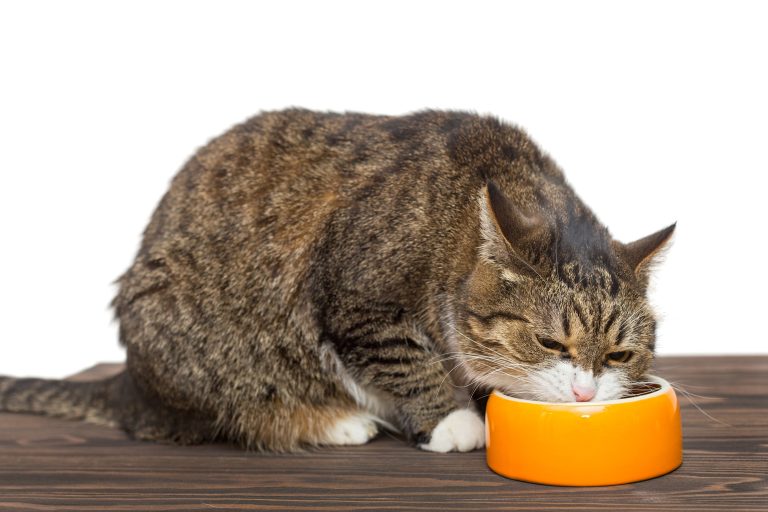
As cats enter their senior years, typically around age 7 and older, their nutritional needs change significantly. Proper nutrition becomes even more crucial to support their health, maintain their quality of life, and address age-related changes. Feeding a senior cat isn’t just about providing calories; it’s about providing the right