





If you live with a cat, you’ve likely witnessed a very specific moment of feline mischief: your cat saunters over to a cup or pen on the edge of a table, gives it a little tap, and watches with casual glee as it crashes to the floor. Why do they do this? Are they tiny furry agents of chaos? Or is there a method to the madness?
Let’s take a look at why cats knock things over—and decode some of their other mysterious behaviors along the way.
1. The Table-Push Mystery: Why Cats Knock Things Over
Cats are naturally curious and highly intelligent animals. When your cat knocks an object off a surface, it could be for several reasons:
- Exploration: Cats use their paws like we use our hands. They bat at things to learn about their texture, weight, and whether they move.
- Attention-Seeking: If pushing your mug onto the floor results in you giving them attention (even negative), they might do it more often.
- Predatory Instincts: In the wild, cats test whether small creatures are alive or dead by pawing at them. A pen or a spoon? Just a stand-in for prey.
- Boredom: A bored cat is a mischievous cat. If they’re not getting enough stimulation, they’ll make their own fun.

What to Do
Try enriching their environment with interactive toys, puzzle feeders, and regular play sessions to redirect that curious energy.
2. The Midnight Zoomies
Just as you’re drifting off to sleep, your cat decides it’s time to tear through the house like it’s the Indy 500. Sound familiar?
This burst of energy often comes from their natural hunting cycle. Cats are crepuscular, meaning they’re most active at dawn and dusk. If they haven’t had enough stimulation during the day, they’ll compensate at night.

What to Do
Give your cat a good workout session before bed with a wand toy or a game of chase. Follow it with a small meal to mimic the hunt-eat-sleep cycle.
3. Sitting in the Strangest Places
Boxes, sinks, laundry baskets, even your laptop—cats love to sit in the weirdest spots. This isn’t just quirky behavior.
- Comfort and Security: Small, enclosed spaces make cats feel safe.
- Warmth: Laptops and sunny spots are warm, and cats are heat-seeking fluff missiles.
- Attention: Sitting on your keyboard is a direct route to getting noticed.
What to Do
Offer them designated cozy spots like cat beds, heated mats, or even a “decoy” keyboard.
4. Headbutting and Face Rubs
If your cat bumps their head against you or rubs their cheeks on furniture, they’re not just being affectionate—they’re also marking their territory.
Cats have scent glands on their heads and cheeks. By rubbing on you or objects, they’re claiming their turf and saying, “This is mine. And I like you.”

What to Do
Enjoy the love! This is a positive sign of affection and bonding.
5. Chattering at Birds
Ever seen your cat sit by the window, eyes locked on a bird, making a strange chattering sound? It’s adorable—and a little weird.
This behavior likely stems from frustration (not being able to reach prey) and excitement. Some experts believe the chattering mimics the killing bite cats would use on prey.

What to Do
Window perches and bird feeders (outside the window!) make for great kitty TV. Just make sure it’s safe and they can’t escape.
6. Bringing You “Gifts”
Outdoor cats sometimes bring home “presents” like mice or birds. While horrifying to us, this is actually a sign of affection.
Cats may think you need help hunting and are trying to teach you, just as they would their kittens.

What to Do
Don’t scold them. Instead, redirect their hunting instincts with toys and praise them for their generosity (even if you’re secretly horrified).
Final Thoughts
Cats may be mysterious creatures, but their odd behaviors usually come from a mix of instinct, curiosity, and a desire for attention or stimulation. Understanding these behaviors not only helps you live more harmoniously with your feline friend—it also deepens your bond.
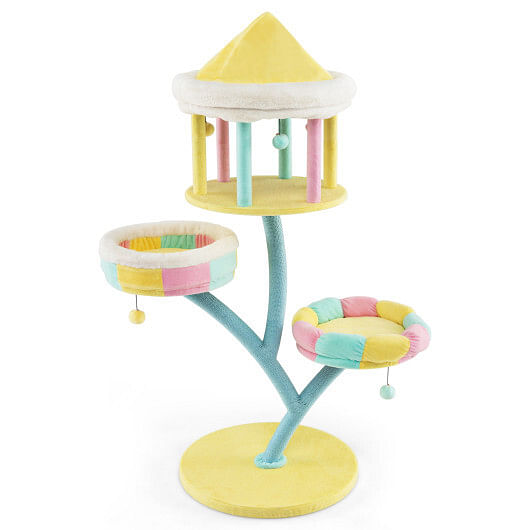
Want to reduce naughty nudges and midnight madness? Check out our curated selection of boredom-busting toys and cozy cat furniture in our online store!
Because when your cat is happy, everyone sleeps better (and keeps their mugs intact).

Natural Hairball Prevention: Dietary Fiber, Grooming Hacks & Holistic Solutions
Every cat parent knows the sound. It usually happens at 3:00 AM—a rhythmic, gagging cough echoed across the hardwood floor, culminating in a wet, cylindrical mass known scientifically as a trichobezoar. While hairballs are often dismissed as an unavoidable quirk of feline life, frequent regurgitation is actually a sign that

The Silent Language of Purrs: How Feline Frequencies Heal Bones and Relieve Human Stress
There is a quiet, transformative magic that unfolds when a feline curled on your lap begins to purr. Beyond a simple expression of contented bliss, that low, rhythmic rumble vibrates through your chest, soothing away the day’s tensions. As a certified feline behavior specialist and chief editor of Spoiled Kitty,

Understanding Feline Scent Marking: Why Headbutting and Bunting Means Total Devotion
If you have ever been lounging peacefully on the sofa only for your cat to march up, lower their head, and forcefully press their forehead into your chin or cheek, you have experienced one of the most heartwarming rituals in the animal kingdom. To the uninitiated, this sudden head slam