1 x
$16.99
-
+







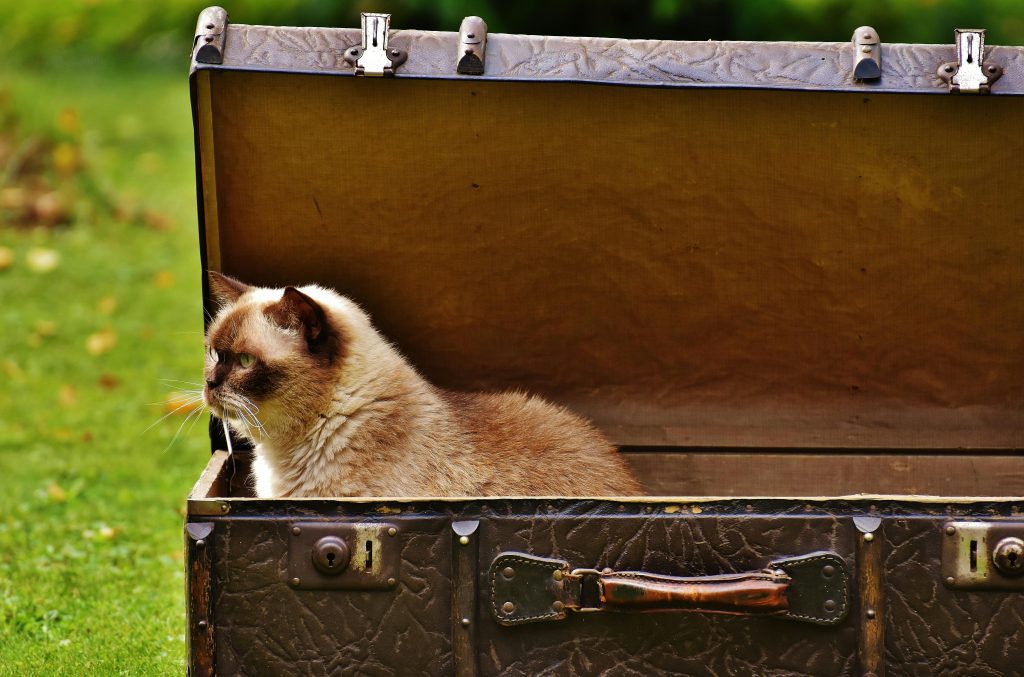
Traveling with your cat can be a rewarding experience, but it requires careful planning and preparation. Here are some tips to help you and your feline friend have a stress-free journey:
1. Assess your cat’s temperament.
Not all cats are comfortable traveling. If your cat is anxious or fearful, it may be best to leave them at home with a trusted pet sitter.
2. Choose the right carrier.
The carrier should be large enough for your cat to stand up, turn around, and lie down comfortably. It should also be secure and well-ventilated.
3. Acclimate your cat to the carrier.
Leave the carrier out in your home for a few days before your trip so your cat can become familiar with it. You can also put some of your cat’s favorite toys and treats inside to make it more inviting.
4. Prepare your car for the trip.
Make sure your car is clean and well-ventilated. If it’s going to be hot outside, consider using a pet-safe car seat or a portable air conditioner.
5. Take breaks during the journey.
Every few hours, stop and let your cat out of the carrier to use the litter box, drink water, and stretch their legs.
6. Be patient and understanding.
Traveling can be stressful for cats, so be patient and understanding if they seem anxious or uncomfortable.
Here are some additional tips for traveling with your cat:
Traveling with your cat can be a great way to bond with your furry friend and create lasting memories. By following these tips, you can help make the journey as stress-free as possible for both of you.
Here are some frequently asked questions about traveling with cats:
Q: Can I bring my cat on an airplane?
A: Yes, most airlines allow you to bring your cat on board as a carry-on or checked baggage. However, there are some restrictions, so be sure to check with your airline before you book your flight.
Q: How much does it cost to bring a cat on an airplane?
A: The cost of bringing a cat on an airplane varies depending on the airline and the type of pet carrier you choose. Generally, you can expect to pay between $50 and $200 for a carry-on pet and $100 and $300 for a checked pet.
Q: What are the best tips for flying with a cat?
A: Here are some tips for flying with a cat:
Q: What are the best tips for driving with a cat?
A: Here are some tips for driving with a cat:
Q: What are the best tips for staying in a hotel with a cat?
A: Here are some tips for staying in a hotel with a cat:
By following these tips, you can help make traveling with your cat a stress-free and enjoyable experience for both of you.

If you live with a cat, you’ve likely witnessed a very specific moment of feline mischief: your cat saunters over to a cup or pen on the edge of a table, gives it a little tap, and watches with casual glee as it crashes to the floor. Why do they

We adore our cats. Their quirky personalities, their soft fur, their (sometimes) affectionate cuddles – they’re integral members of our families. But let’s face it: cat feeding can be a challenge. From the relentless early-morning meows to the struggle of maintaining a consistent feeding schedule, it’s a task that often

As cats enter their senior years, typically around age 7 and older, their nutritional needs change significantly. Proper nutrition becomes even more crucial to support their health, maintain their quality of life, and address age-related changes. Feeding a senior cat isn’t just about providing calories; it’s about providing the right