2 x
$129.98
-
+


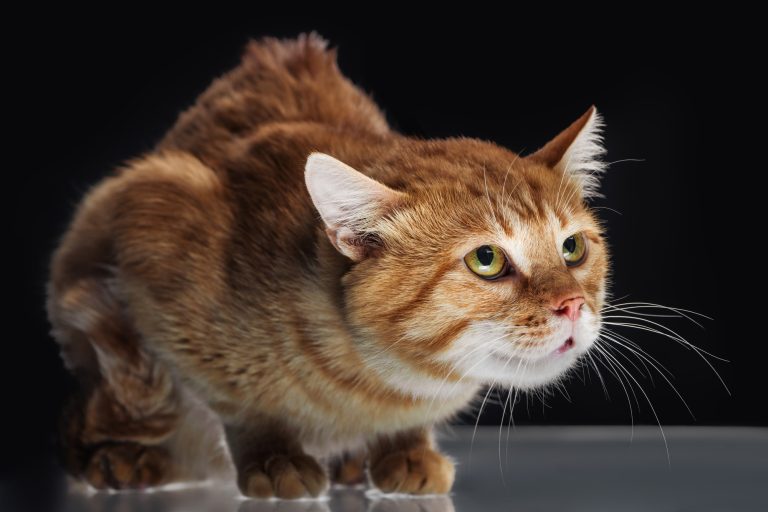
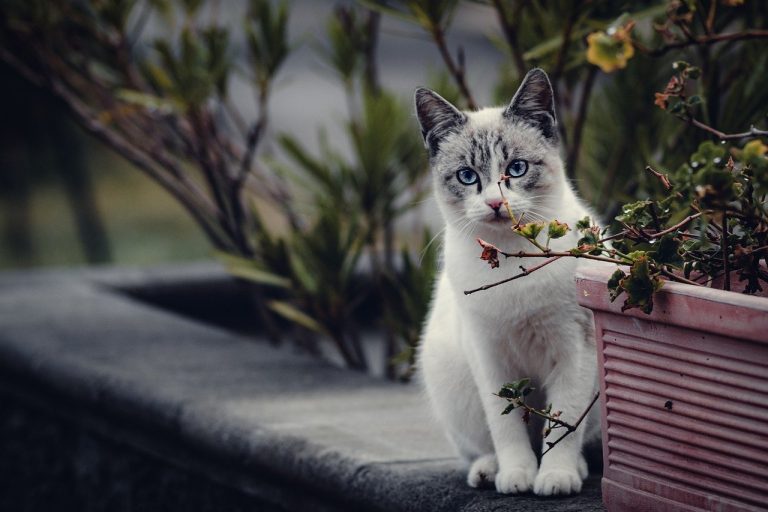

Indoor cats enjoy a safe and cozy environment, but this lifestyle can sometimes lead to boredom and inactivity. Just like humans, cats need mental and physical stimulation to thrive. Play is not just a fun activity; it is essential for their overall well-being. Understanding the importance of play and incorporating enrichment activities into your cat’s daily routine can significantly enhance their quality of life.
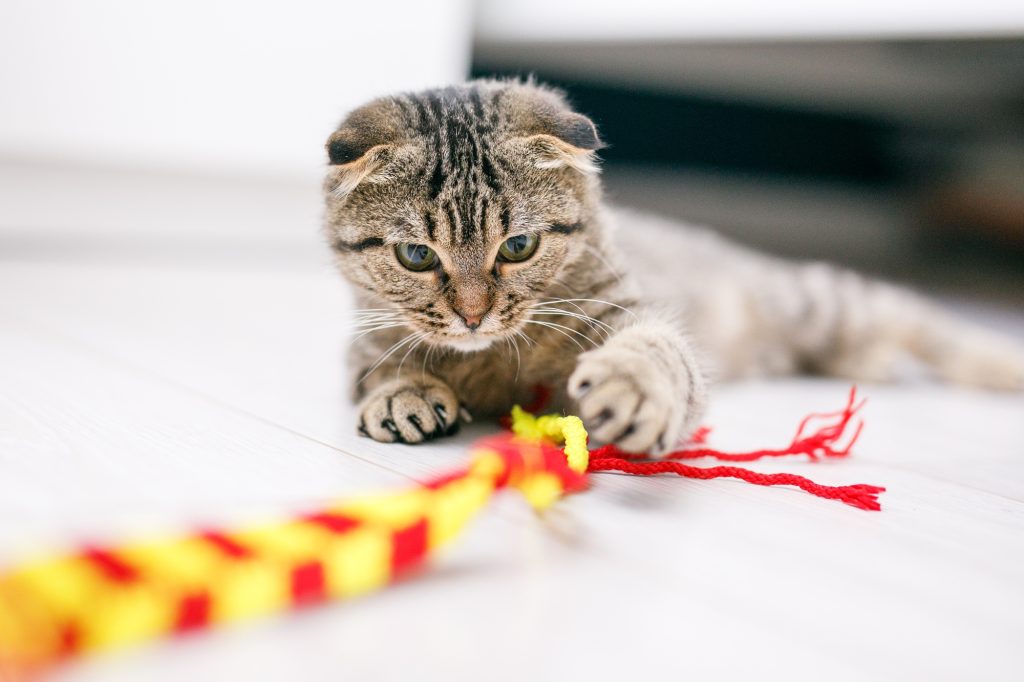
Play serves multiple purposes for indoor cats. First and foremost, it provides an outlet for physical exercise. Cats are natural hunters, and engaging in play mimics their instinctual behaviors. Whether it’s chasing a feather toy or pouncing on a laser dot, these activities help maintain their muscle tone and prevent obesity—a common issue among indoor felines. Regular exercise can also reduce the risk of developing health problems such as diabetes or joint issues.Moreover, playtime is crucial for mental stimulation. Cats are intelligent creatures that require challenges to keep their minds sharp.
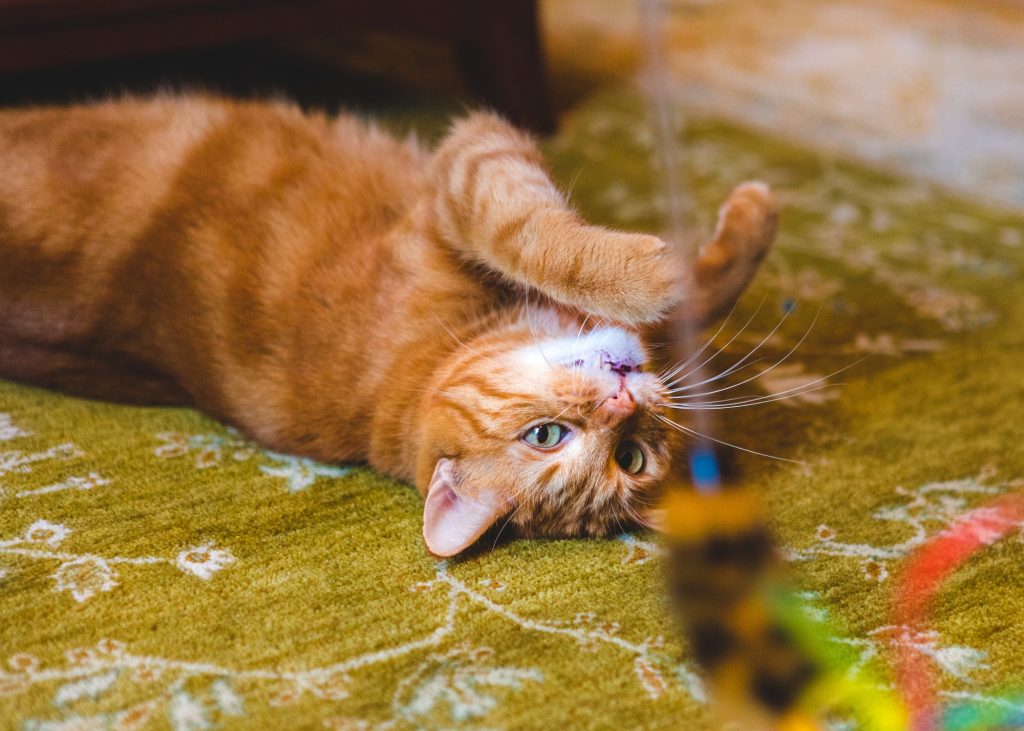
Interactive toys that require problem-solving can captivate their attention and prevent boredom. When cats are mentally engaged, they are less likely to develop behavioral problems that often arise from inactivity, such as scratching furniture or excessive meowing. Providing varied types of stimulation—visual, auditory, and tactile—can help keep your cat’s mind active and engaged.
Play also acts as a stress reliever. Just like us, cats can experience anxiety and frustration. Engaging in playful activities allows them to release pent-up energy and emotions, contributing to a calmer demeanor. Additionally, playtime strengthens the bond between you and your cat. It creates shared experiences that foster trust and affection, making your relationship even more rewarding.
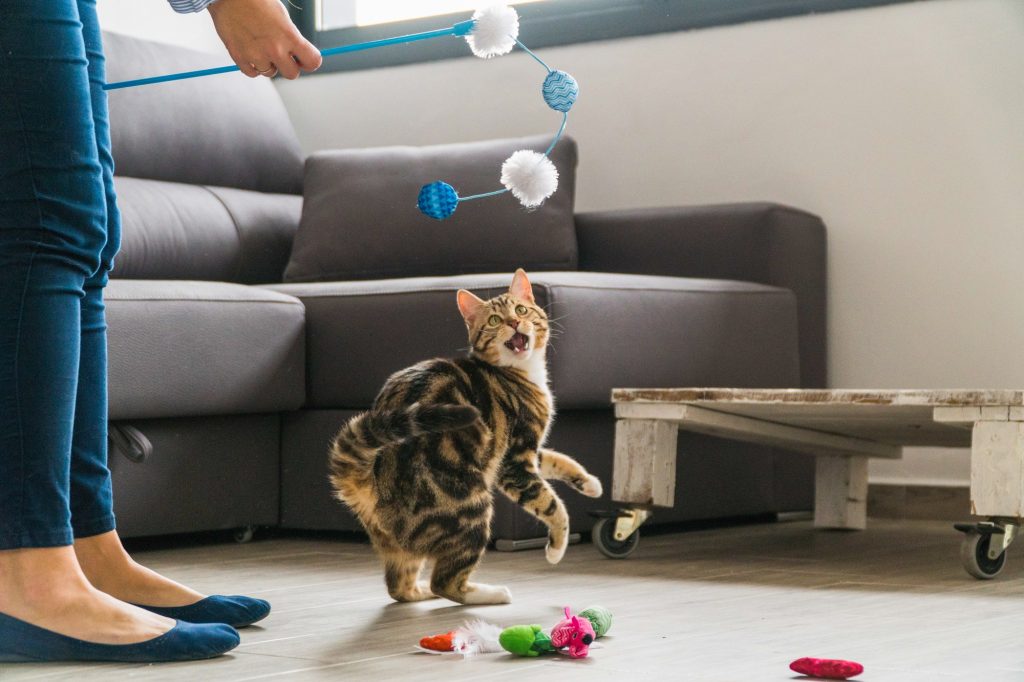
To ensure your indoor cat enjoys a fulfilling life, consider transforming your home into an enriching environment. Start by incorporating various types of toys that cater to your cat’s natural instincts. For instance, wand toys with feathers or small balls can simulate the thrill of hunting. Rotate these toys regularly to keep things fresh and exciting; this prevents your cat from losing interest in their playthings.Puzzle feeders are another effective way to engage your cat. These clever devices require your cat to work for their food, turning mealtime into an interactive game.
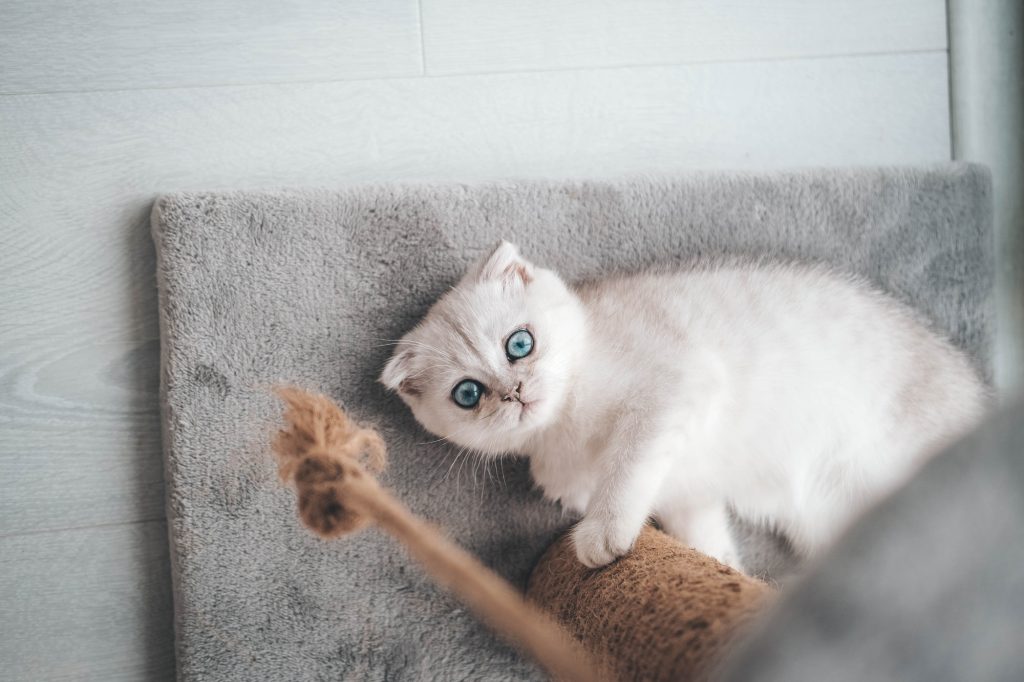
This not only slows down their eating but also stimulates their problem-solving skills, providing both mental exercise and nutritional benefits.Climbing structures are essential for indoor cats as well. Cats love to observe their surroundings from high vantage points, so providing cat trees or shelves can satisfy this instinct while giving them a place to exercise and play. Consider creating a vertical space in your home where your cat can explore safely; this encourages natural behaviors like climbing and perching.
Every cat has its own unique personality and preferences when it comes to play. Some may prefer gentle interactions, while others might be more energetic and playful. Pay attention to what excites your cat—whether it’s chasing after a string or batting around a crinkly ball—and tailor your activities accordingly.
It’s also important to establish a routine that includes regular play sessions throughout the day. Aim for at least two short sessions where you engage directly with your cat. This not only helps them stay active but also provides them with quality time spent together. Consistency in playtime can help reinforce good behavior and create a sense of security in your cat’s daily life.
While play is essential, safety should always be a priority. Supervise your cat during playtime, especially with toys that could pose choking hazards or those with strings that might be ingested. Ensure that climbing structures are stable and secure to prevent accidents. Additionally, be mindful of the materials used in toys; opt for non-toxic options that are safe for your pet.
Incorporating play into your indoor cat’s life is vital for their physical health, mental stimulation, and emotional well-being. By understanding the significance of play and creating an enriching environment filled with engaging activities, you can help your feline friend lead a happy and fulfilling life indoors.
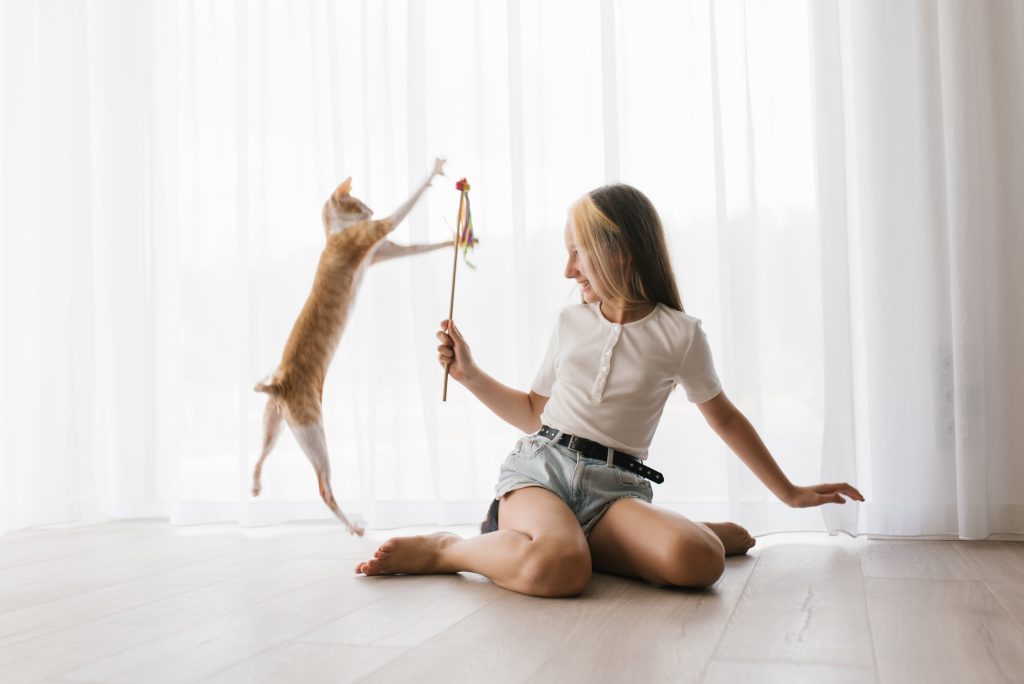
Remember that every moment spent playing together not only benefits your cat but also strengthens the bond you share, making every pounce and leap even more meaningful. Embrace the joy of playtime as an opportunity to connect with your furry companion; these moments will enrich both your lives and create lasting memories together. This version includes additional details about the benefits of play, creating an enriching environment, tailoring activities to individual cats, as well as enhancing the concluding message about nurturing happiness through playtime.

If you live with a cat, you’ve likely witnessed a very specific moment of feline mischief: your cat saunters over to a cup or pen on the edge of a table, gives it a little tap, and watches with casual glee as it crashes to the floor. Why do they
We adore our cats. Their quirky personalities, their soft fur, their (sometimes) affectionate cuddles – they’re integral members of our families. But let’s face it: cat feeding can be a challenge. From the relentless early-morning meows to the struggle of maintaining a consistent feeding schedule, it’s a task that often
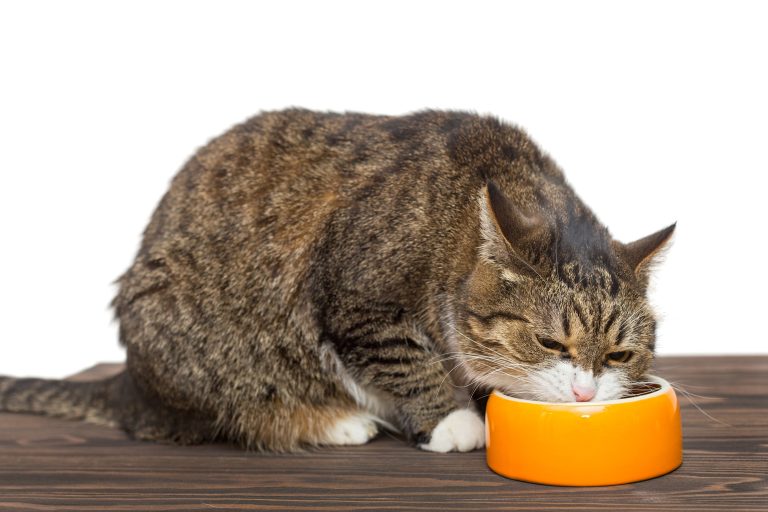
As cats enter their senior years, typically around age 7 and older, their nutritional needs change significantly. Proper nutrition becomes even more crucial to support their health, maintain their quality of life, and address age-related changes. Feeding a senior cat isn’t just about providing calories; it’s about providing the right