


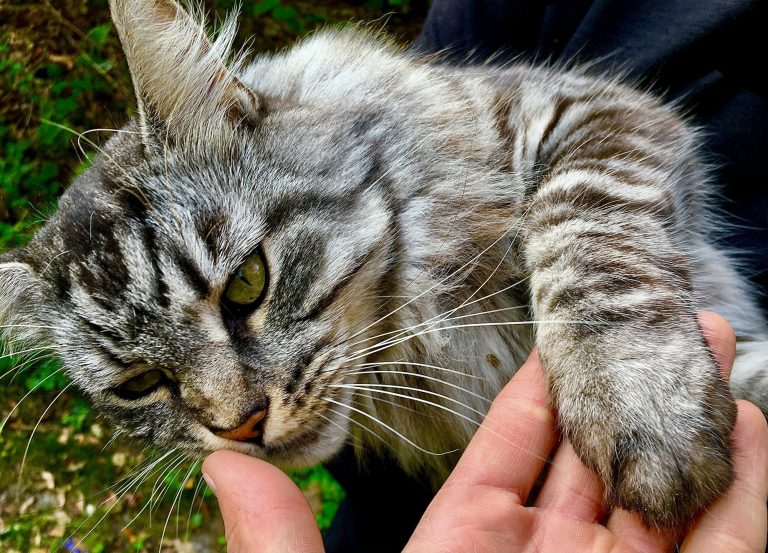




Cats. These mysterious, furry creatures that rule our homes and hearts. Although their aloof demeanor might suggest otherwise, cats are incredibly intelligent animals. Did you know that some breeds are considered smarter than others? Prepare to have your mind blown as we delve into the world of feline intelligence and explore the breeds that truly stand out from the crowd.
The Clever Crew: A Catalog of Intelligence
While every cat has its own unique personality and intelligence, some breeds are known for their exceptional cognitive abilities and problem-solving skills. These feline Einsteins are often quick learners, curious explorers, and masters of manipulation (in the most adorable sense of the word, of course!). So, without further ado, let’s meet the clever crew:
Abyssinian
Often referred to as the “clowns of the cat kingdom,” Abyssinians are highly active and curious cats with a mischievous streak. These playful felines are known for their love of puzzles and interactive toys. They are also incredibly adept at learning tricks and commands, making them a joy to train (well, as much as you can “train” a cat!). A study published in the journal “Animal Cognition” found that Abyssinians scored higher on problem-solving tests than many other breeds.

Balinese
These elegant cats are not just beautiful to look at; they have sharp minds and an insatiable curiosity. Balinese cats are known for their vocalizations and love to “chat” with their humans. They are also incredibly observant and eager to please, making them quick learners. Don’t be surprised if your Balinese cat figures out how to open doors, cabinets, or even the refrigerator! In the book “The Intelligence of Cats” by Sarah Hartwell, a Balinese cat is described that learned to use the toilet instead of the litter box.

Bengal
With their stunning leopard-like markings, Bengal cats are often mistaken for their wild relatives. However, these domestic felines are incredibly affectionate and playful. Bengals are highly intelligent and known for their problem-solving abilities. They are also incredibly athletic and love to climb, explore, and get into all sorts of mischief. In an article on the “Vetstreet” website, veterinarian Dr. Marty Becker describes a Bengal cat that learned to turn on faucets to play with water.

Burmese
Burmese cats are known for their playful and sociable personalities. They crave attention and love to be involved in everything their humans do. These curious felines are also highly intelligent and enjoy learning new things. They are often described as “dog-like” in their behavior, as they can be taught to fetch, walk on a leash, and even play hide-and-seek! In a study published in the journal “Applied Animal Behaviour Science,” researchers found that Burmese cats scored higher on social intelligence tests than many other breeds.

Cornish Rex
With their unique curly coat and large ears, Cornish Rex cats are often described as “elfin.” These playful and affectionate felines are also incredibly intelligent and curious. They love to explore their surroundings and are known for their acrobatic abilities. Cornish Rex cats are also very people-oriented and enjoy interacting with their humans. In the book “The Encyclopedia of Cat Breeds” by J. Anne Helgren, a Cornish Rex cat is described that learned to open doors using the doorknob.

Japanese Bobtail
Known for their distinctive short, rabbit-like tails, Japanese Bobtails are considered a symbol of good luck in their native Japan. These playful and affectionate cats are also highly intelligent and known for their love of interactive games. They are often described as “dog-like” in their behavior, as they enjoy fetching and learning tricks. In an article on the “Cat Fanciers’ Association” website, a Japanese Bobtail cat is described that learned to play dead.

Siamese
One of the most popular cat breeds in the world, Siamese cats are known for their striking blue almond-shaped eyes and vocal personalities. These sociable and affectionate felines are also highly intelligent and love to play games and learn tricks. Siamese cats are known for their problem-solving abilities and can often figure out how to open doors, drawers, and even puzzle toys. In the book “Siamese Cats: Legends and Reality” by Elizabeth Marshall Thomas, a Siamese cat is described that learned to turn lights on and off.

Singapura
The smallest cat breed in the world, Singapura cats are known for their big personalities and playful nature. These curious and active felines are also highly intelligent and love to explore their surroundings. Singapura cats are often described as “Velcro cats” because they like to stay close to their humans and follow them around the house. In an article on “The Spruce Pets” website, a Singapura cat is described that learned to walk a tightrope.

Turkish Angora
With their long, silky coat and elegant appearance, Turkish Angoras are often described as “living snowflakes.” These affectionate and playful felines are also highly intelligent and known for their love of water. Turkish Angoras are quick learners and enjoy fetching and learning tricks. In the book “Cats of the World” by Beatrice Von Tessin, a Turkish Angora is described that learned to open cabinet doors.

A Cat’s Guide to Conquering the World (or at Least the Living Room)
Now that we’ve met some of the smartest cat breeds, let’s explore what makes them so intelligent. Cats, in general, are incredibly observant creatures. They learn by watching, experimenting, and, yes, sometimes even mimicking their humans. Their intelligence manifests itself in various ways, from their problem-solving abilities to their capacity to communicate and manipulate (again, adorably!). Here are some key indicators of feline intelligence:
- Problem-solving skills: Can your cat figure out how to open doors, get into closed cabinets, or escape from seemingly impossible situations? If so, you’ve got a smart cookie on your hands!
- Adaptability: Intelligent cats can quickly adapt to new environments, routines, and even other pets.
- Communication skills: Cats communicate with their humans through a variety of vocalizations, body language, and even subtle cues. The more effectively they can express their needs and desires, the more intelligent they are considered.
- Curiosity and exploration: Intelligent cats are naturally curious and love to explore their surroundings. They are always getting into things, investigating new objects, and pushing the boundaries of their world.
- Trainability: While cats may not be as eager to please as dogs, they can certainly learn tricks and commands. Intelligent cats often learn quickly and enjoy the mental stimulation of training.
- Copycats: Learning through observation Cats are masters of observation and learn by watching and repeating behaviors they see around them. This “mimicry” tendency is proof of their intelligence and adaptability.
A remarkable example of this is the story of Nora, a cat who learned to play the piano by observing her owner, who gave piano lessons to children. Nora was fascinated by the attention her owner gave to the young musicians, so she decided to try her paw at the instrument. She sat on the piano bench and tapped the keys, imitating the actions of the children.
This incredible feat demonstrates the remarkable ability of cats to process information and apply it in creative ways. In addition to Nora, there are other examples of cats that have learned to imitate human behavior, such as opening doors, turning on lights, or even flushing the toilet.
Beyond the IQ Test: The Many Facets of Feline Intelligence
While some breeds may be known for their smarts, it’s important to remember that every cat is an individual. Some cats may excel at problem-solving, while others may be masters of communication or incredibly adaptable to new situations. Ultimately, feline intelligence is a complex and multifaceted attribute that goes beyond simply learning tricks or solving puzzles. It’s about their ability to navigate the world, interact with their humans, and thrive in their environment.
Celebrating Feline Genius
From the playful Abyssinian to the elegant Turkish Angora, intelligent cat breeds come in all shapes, sizes, and personalities. These feline Einsteins captivate us with their problem-solving abilities, adaptability, and unique ways of interacting with the world. So, the next time your cat outsmarts you (and let’s be honest, it’s bound to happen!), take a moment to appreciate their incredible intelligence and the joy they bring to our lives. After all, who can resist the charm of a perfectly brilliant feline companion? Feline intelligence is a fascinating field that is still not fully explored. With further research, we may discover even more about the cognitive abilities of these amazing creatures and how their intelligence differs from ours. In the meantime, we can enjoy the company of our feline friends and marvel at their ingenuity, adaptability, and unique personalities.

Natural Hairball Prevention: Dietary Fiber, Grooming Hacks & Holistic Solutions
Every cat parent knows the sound. It usually happens at 3:00 AM—a rhythmic, gagging cough echoed across the hardwood floor, culminating in a wet, cylindrical mass known scientifically as a trichobezoar. While hairballs are often dismissed as an unavoidable quirk of feline life, frequent regurgitation is actually a sign that

The Silent Language of Purrs: How Feline Frequencies Heal Bones and Relieve Human Stress
There is a quiet, transformative magic that unfolds when a feline curled on your lap begins to purr. Beyond a simple expression of contented bliss, that low, rhythmic rumble vibrates through your chest, soothing away the day’s tensions. As a certified feline behavior specialist and chief editor of Spoiled Kitty,

Understanding Feline Scent Marking: Why Headbutting and Bunting Means Total Devotion
If you have ever been lounging peacefully on the sofa only for your cat to march up, lower their head, and forcefully press their forehead into your chin or cheek, you have experienced one of the most heartwarming rituals in the animal kingdom. To the uninitiated, this sudden head slam