1 x
$12.90
-
+


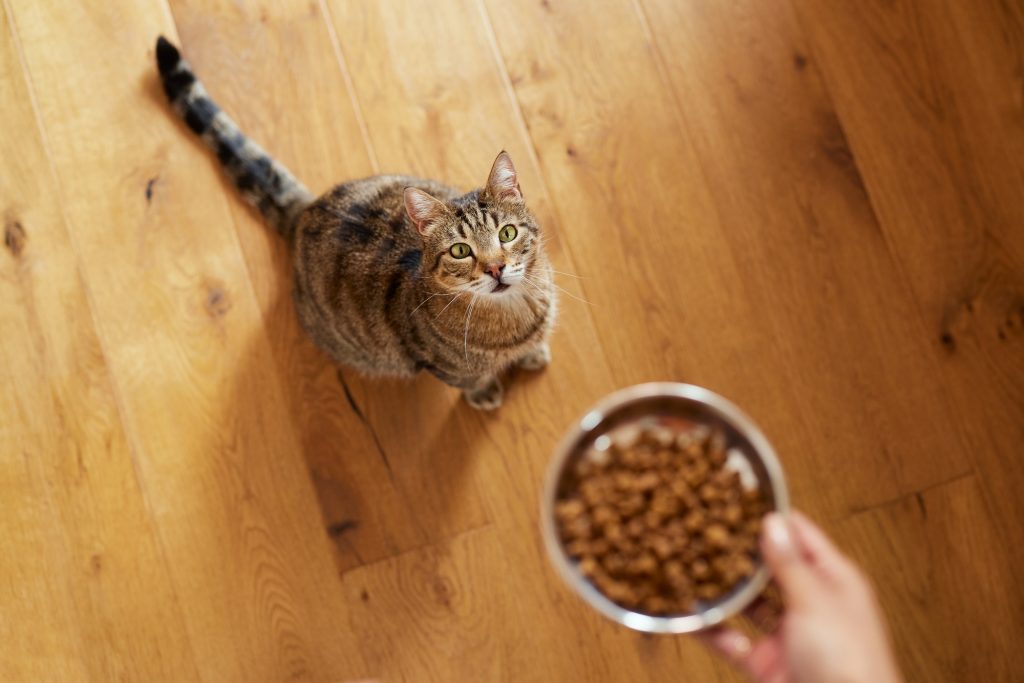
Cats are unique creatures with specific dietary needs that differ significantly from other pets. As obligate carnivores, their bodies are designed to thrive on a diet rich in animal-based proteins. This fundamental aspect of feline biology forms the cornerstone of understanding cat nutrition and selecting the most appropriate food for your furry companion.
When it comes to choosing the best cat food, it’s essential to consider the nutritional composition that aligns with a cat’s natural dietary requirements. High-quality animal proteins should be the primary ingredient in any cat food. These proteins provide the essential amino acids that cats need for maintaining healthy muscles, organs, and overall bodily functions. Look for cat foods that list specific meat sources, such as chicken, turkey, or fish, as the first ingredient on the label.

While protein is crucial, fats also play a vital role in feline nutrition. Cats require certain fatty acids, like omega-3 and omega-6, which contribute to skin health, coat condition, and overall vitality. These fats also serve as a concentrated energy source for cats. However, it’s important to maintain a balance, as excessive fat content can lead to obesity and related health issues.
Contrary to popular belief, carbohydrates are not a necessary component of a cat’s diet. In the wild, cats consume very few carbohydrates. However, in commercial cat foods, carbohydrates are often included as a source of energy and to aid in the manufacturing process. While cats can digest some carbohydrates, their bodies are not designed to process large amounts. When selecting cat food, opt for products with moderate to low carbohydrate content.
Hydration is another critical factor in feline nutrition that is often overlooked. Cats have a low thirst drive, an evolutionary trait from their desert-dwelling ancestors. This means they often don’t drink enough water on their own. Wet cat food can be an excellent way to increase your cat’s moisture intake, as it typically contains about 70-80% water. This added hydration can be particularly beneficial for cats prone to urinary tract issues or kidney problems.

When considering different types of cat food, it’s important to understand the pros and cons of dry versus wet food. Dry food, or kibble, is convenient and can help maintain dental health to some degree. However, it’s typically higher in carbohydrates and lower in moisture. Wet food, on the other hand, provides higher moisture content and is often more palatable for cats. Many veterinarians recommend a combination of both to provide a balanced diet and ensure adequate hydration.
Age is another factor to consider when choosing cat food. Kittens, adults, and senior cats have different nutritional requirements. Kitten food is formulated to support rapid growth and development, while senior cat food often contains ingredients to support joint health and cognitive function. Always choose a food that’s appropriate for your cat’s life stage.
It’s also worth noting that some cats may have specific dietary needs due to health conditions. Cats with kidney disease, for example, may require a diet lower in phosphorus, while overweight cats might benefit from a lower-calorie option. In these cases, it’s crucial to consult with your veterinarian to determine the most appropriate diet for your cat’s individual needs.
When transitioning to a new cat food, it’s important to do so gradually. Cats can be sensitive to dietary changes, and a sudden switch can lead to digestive upset. Mix the new food with the old, gradually increasing the proportion of new food over a week or two.

Choosing the best cat food involves understanding your cat’s unique nutritional needs as an obligate carnivore. Look for high-quality animal-based proteins, appropriate fat content, and consider your cat’s hydration needs. Factor in your cat’s age and any specific health requirements. By taking these elements into account and consulting with your veterinarian, you can ensure that your feline friend receives the nutrition they need for a healthy, happy life.

Welcome to Spoiled Kitty’s sanctuary of mindful feline care. As a certified feline behavior specialist and chief editor, I frequently meet dedicated cat parents who wonder if their cherished indoor companions are truly thriving. While keeping cats indoors dramatically increases their lifespan and keeps them safe from external hazards, it
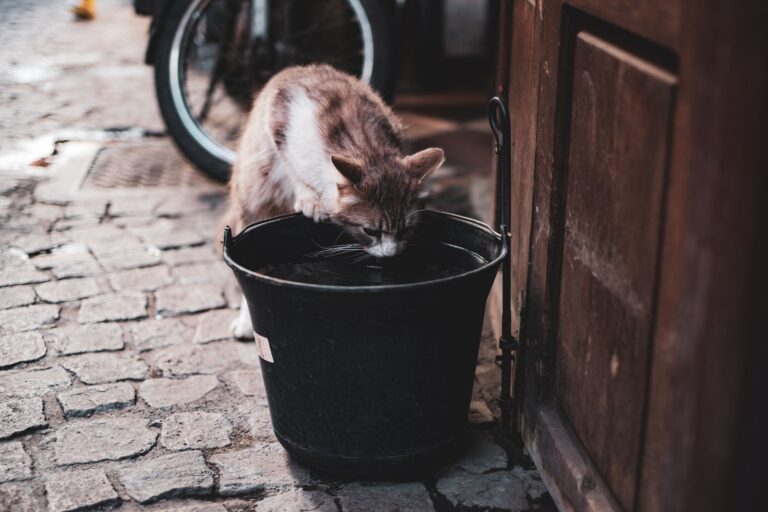
Welcome back to Spoiled Kitty, your ultimate destination for luxury mindful cat wellness. As a certified feline behavior specialist, I often hear concerned pet parents ask why their sophisticated feline refuses to drink from a standard ceramic bowl. The answer lies deep within their evolutionary history. Domestic cats are descendants
Picture this: You carefully spoon gourmet pâté into your cat’s favorite ceramic bowl, only to return an hour later and find a strange, geometric ring of food left untouched around the very edges. Your feline companion acts hungry, meowing plaintively by the pantry, yet refuses to touch the remaining morsels.