1 x
$23.90
-
+




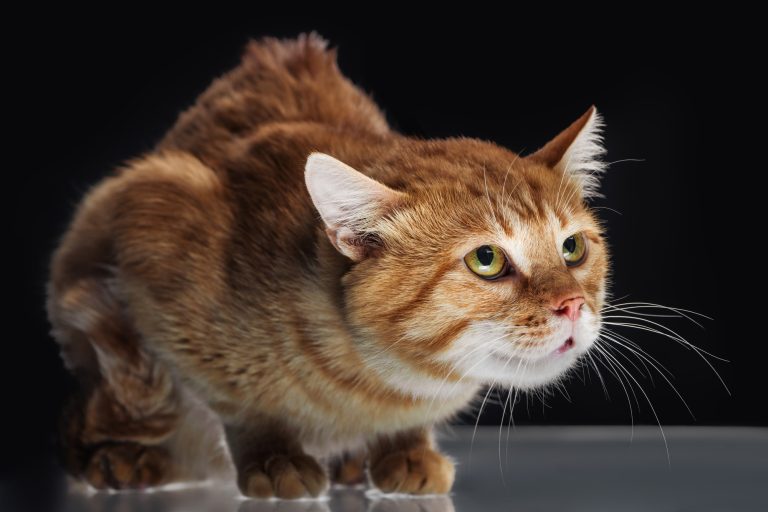



Bringing a new cat home is an exciting time! But before you can enjoy all the cuddles and playtime, there are a few things you need to do to prepare for your furry friend’s arrival.
1. Kitten or adult cat?
Consider your lifestyle and preferences. Kittens are adorable, but they require more attention and training. Adult cats are usually more independent, but they may come with set habits or behavioral quirks.
2. Adopt or buy?
Shelters and rescue organizations have many wonderful cats waiting for a loving home. If you’re looking for a specific breed, you can find reputable breeders who prioritize the health and well-being of their cats.
3. Cat-proof your home
Before your cat arrives, take some time to make sure your home is safe and comfortable for them. Block off any potential escape routes, secure loose wires, and remove any poisonous plants. Provide scratching posts and a comfortable bed or perch.
4. Gather the essentials
You’ll need some basic supplies for your new cat, including:
5. Introduce your cat to their new home
Start by setting up a safe and quiet space for your cat to explore. Let them out of their carrier and give them time to adjust to their new surroundings. Offer them food, water, and a litter box. Be patient and let them come to you when they’re ready.
6. Schedule a vet visit
Take your cat to the vet for a checkup within a few days of bringing them home. This will help ensure they’re healthy and up-to-date on vaccinations. The vet can also answer any questions you have about cat care.
7. Be patient and loving
Bringing a new cat into your home is a big adjustment for both of you. It may take some time for your cat to settle in and feel comfortable. Be patient and loving, and soon you’ll be enjoying all the joys of cat parenthood!

Every cat parent knows the sound. It usually happens at 3:00 AM—a rhythmic, gagging cough echoed across the hardwood floor, culminating in a wet, cylindrical mass known scientifically as a trichobezoar. While hairballs are often dismissed as an unavoidable quirk of feline life, frequent regurgitation is actually a sign that

There is a quiet, transformative magic that unfolds when a feline curled on your lap begins to purr. Beyond a simple expression of contented bliss, that low, rhythmic rumble vibrates through your chest, soothing away the day’s tensions. As a certified feline behavior specialist and chief editor of Spoiled Kitty,
If you have ever been lounging peacefully on the sofa only for your cat to march up, lower their head, and forcefully press their forehead into your chin or cheek, you have experienced one of the most heartwarming rituals in the animal kingdom. To the uninitiated, this sudden head slam