1 x
$127.90
-
+





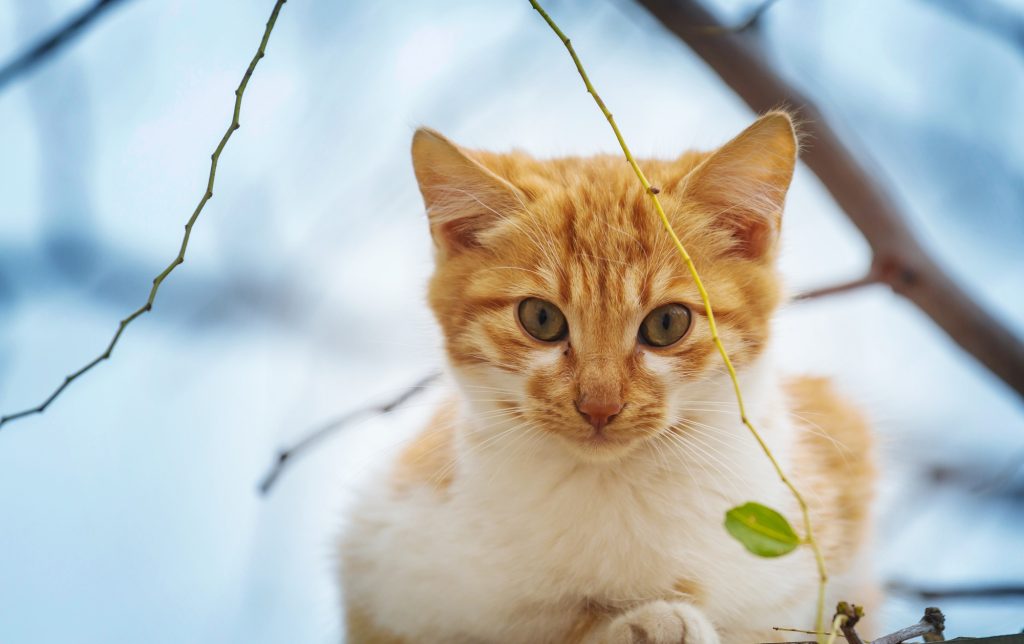
The debate between keeping cats indoors or allowing them outdoor access is a long-standing one among cat owners. Both options have their merits and drawbacks, and the decision often depends on various factors including your cat’s personality, your living situation, and local environment. This article explores the advantages and disadvantages of both indoor and outdoor lifestyles for cats, helping you make an informed decision for your feline friend.
Indoor cats generally enjoy a safer and more controlled environment. By keeping your cat inside, you significantly reduce their exposure to dangers such as traffic accidents, aggressive animals, and infectious diseases. This controlled environment often translates to a longer lifespan for indoor cats. They’re also less likely to pick up parasites or consume harmful substances, which can lead to fewer veterinary visits and lower medical bills over time.
However, the indoor lifestyle isn’t without its challenges. Cats are naturally curious and active animals, and confinement can sometimes lead to boredom and frustration. Indoor cats may be more prone to obesity due to reduced physical activity, and they might develop behavioral issues like excessive scratching or inappropriate elimination if their environment doesn’t provide adequate stimulation.To combat these potential problems, owners of indoor cats need to be proactive in providing enrichment. This can include:
Creating a stimulating indoor environment requires effort and creativity, but it can greatly enhance your cat’s quality of life.

Outdoor cats have the freedom to explore and engage with their natural environment. This lifestyle allows them to express their innate behaviors such as hunting, climbing, and territorial marking. The varied stimuli of the outdoors – different scents, sounds, and sights – provide constant mental and physical stimulation that many cats thrive on. Outdoor cats often maintain better physical fitness due to increased activity levels and may exhibit fewer behavioral problems associated with confinement stress.
However, the outdoor lifestyle comes with significant risks. Outdoor cats are vulnerable to:
Additionally, outdoor cats can have a negative impact on local wildlife populations, particularly birds and small mammals. This environmental concern has led some communities to implement restrictions on outdoor cats.

Many cat owners opt for a middle ground, seeking to provide their cats with some of the benefits of outdoor access while mitigating the associated risks. Some popular compromises include:
These options can provide enrichment for cats while addressing safety concerns and reducing potential impacts on local wildlife.
Ultimately, the decision between keeping a cat indoors or allowing outdoor access should be based on careful consideration of your individual circumstances. Factors to consider include:
It’s also important to consider your cat’s history. A cat that has always been indoors may find the outdoors overwhelming, while a former stray might be unhappy with permanent indoor confinement.

Regardless of whether your cat is indoor or outdoor, certain health and safety measures are essential:
For outdoor cats, additional considerations might include more frequent health checks and a higher vigilance for signs of injury or illness.
Whether indoors or outdoors, cats require love, attention, and proper care. The key is to ensure your cat’s environment is safe, stimulating, and conducive to their overall well-being. Indoor cats need ample enrichment to stay physically and mentally healthy, while outdoor cats require vigilant monitoring and preventive health care.
By understanding the pros and cons of both lifestyles, you can make an informed decision that best suits your cat’s needs and your household circumstances. Remember that each cat is an individual, and what works for one may not be ideal for another. Be prepared to adapt your approach based on your cat’s responses and changing needs over time.
Ultimately, the goal is to provide a life that is both safe and fulfilling for your feline companion. With thoughtful consideration and proper care, you can ensure your cat leads a happy, healthy life, whether they’re lounging on a windowsill or exploring the great outdoors.

Every cat parent knows the sound. It usually happens at 3:00 AM—a rhythmic, gagging cough echoed across the hardwood floor, culminating in a wet, cylindrical mass known scientifically as a trichobezoar. While hairballs are often dismissed as an unavoidable quirk of feline life, frequent regurgitation is actually a sign that

There is a quiet, transformative magic that unfolds when a feline curled on your lap begins to purr. Beyond a simple expression of contented bliss, that low, rhythmic rumble vibrates through your chest, soothing away the day’s tensions. As a certified feline behavior specialist and chief editor of Spoiled Kitty,

If you have ever been lounging peacefully on the sofa only for your cat to march up, lower their head, and forcefully press their forehead into your chin or cheek, you have experienced one of the most heartwarming rituals in the animal kingdom. To the uninitiated, this sudden head slam