2 x
$29.80
-
+


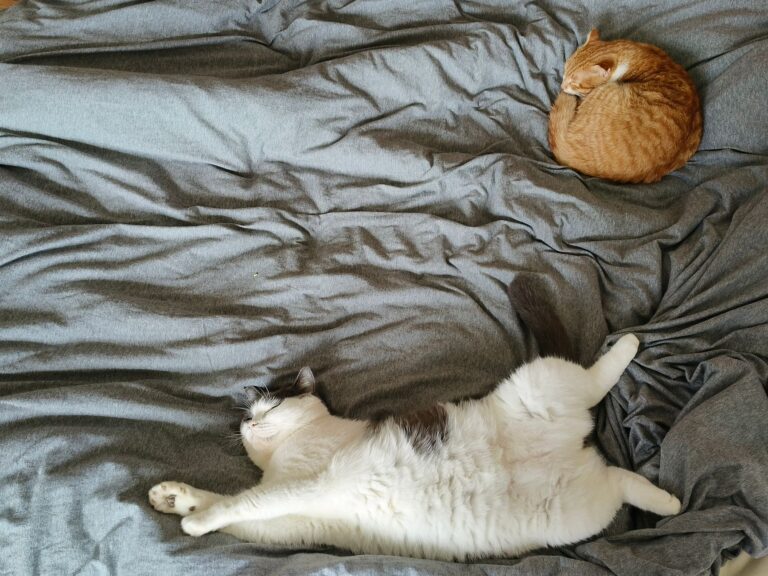

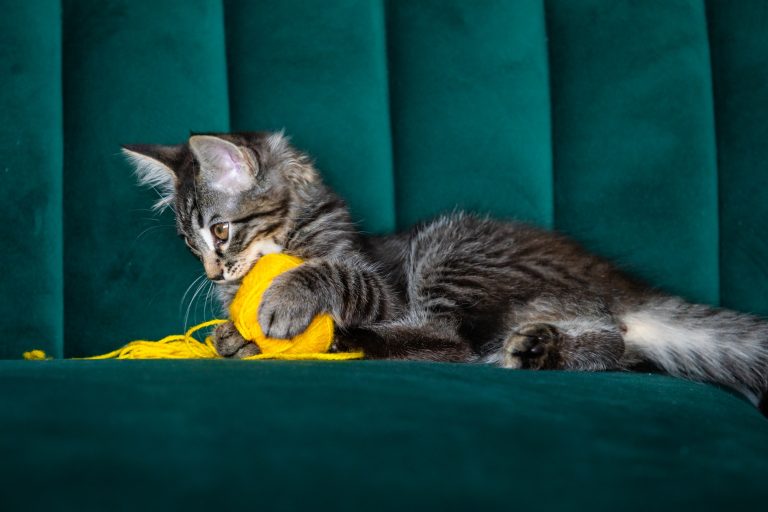

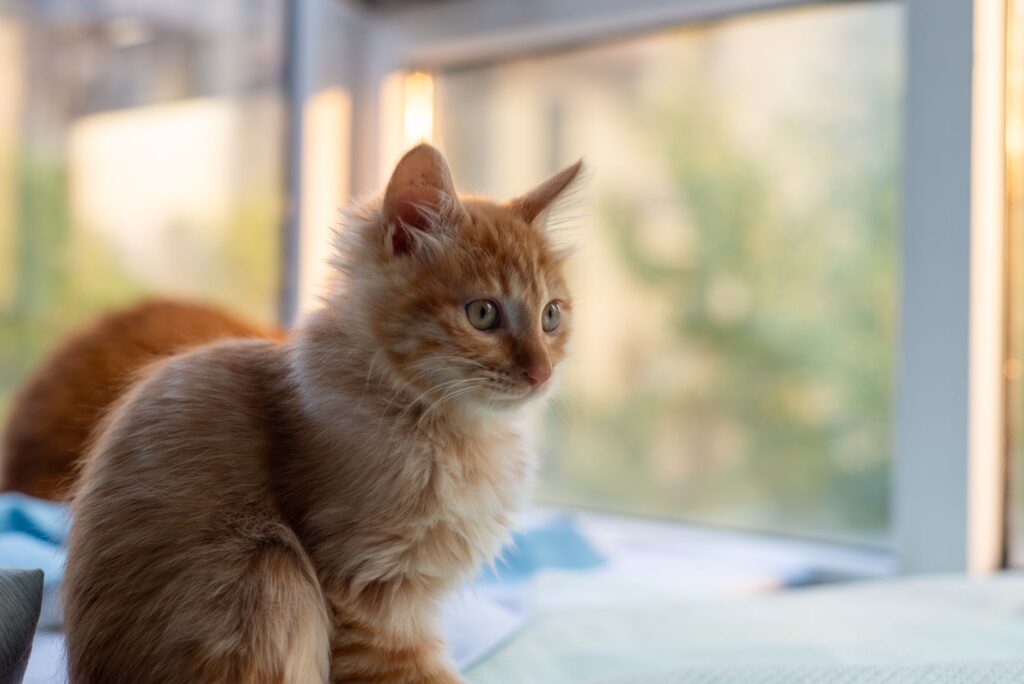
Welcome to Spoiled Kitty, where scientific insight meets compassionate care. As a certified feline behavior specialist and chief editor, I am often asked a fundamental question by loving pet parents: How do we bridge the gap between our cats’ wild ancestral instincts and their modern, climate-controlled indoor lifestyle? While keeping cats indoors extends their lifespan and keeps them safe from external hazards, it also presents a unique challenge. Without intentional environmental design, indoor environments can become static, leading to boredom, anxiety, and weight struggles. True indoor cat wellness requires a mindful approach that honors feline neurobiology, sensory complexity, and emotional health.
Mindful feline living isn’t about simply buying toys; it’s about creating a living space that caters to your cat’s natural instincts. In this comprehensive guide, we will explore the science of feline happiness, break down behavioral triggers, and show you how to curate a sanctuary where your companion doesn’t just survive—they truly thrive.
To truly master indoor cat wellness, we must first step into the sensory reality of Felis catus. Cats perceive their surroundings through a heightened sensory system fine-tuned over millions of years of evolution as obligate carnivores and solitary hunters.
A cat’s whiskers (vibrissae) are not mere hairs—they are sensitive tactile organs wired directly into the brain’s somatosensory cortex. These specialized follicles detect subtle air currents, spatial dimensions, and atmospheric changes. When an indoor home lacks tactile variety, or when cats experience whisker stress from narrow bowls and confined spaces, sensory deprivation can occur. Mindful feline living starts by protecting these sensitive sensory inputs through thoughtful, open furniture arrangements and ergonomic accessories.
In nature, a feline’s daily rhythm is governed by the predatory sequence: Orient → Stalk → Pounce → Catch → Eat → Groom → Sleep. When indoor cats are provided food in standard dishes without the opportunity to ‘hunt,’ this natural sequence is disrupted. The result is often redirected aggression, compulsive grooming, or chronic lethargy. Integrating puzzle feeders and interactive play recreates this neurochemical rewards system, triggering dopamine releases that lower stress and build emotional resilience.
Optimizing your home for holistic indoor cat wellness involves transforming two-dimensional floor plans into three-dimensional enrichment zones. By intentionally designing key areas for resting, hunting, and territory marking, you can eliminate environmental stressors and promote peaceful cohabitation.
Cats view their world through vertical hierarchy. Ascending elevated vantage points releases feel-good neurotransmitters by providing a sense of safety and dominance over their domain. Ensure your home features accessible window perches, wall shelves, and multi-level scratching towers.
While interactive human-cat play sessions are crucial, self-directed play tools allow your cat to engage their hunting instincts throughout the day. For independent enrichment, the PlumeSpin Interactive Cat Turntable engages both visual tracking and physical pouncing instincts, encouraging healthy exercise while you work or relax. At Spoiled Kitty, we make pampering effortless by providing Free US Shipping on all domestic orders!
Instead of free-feeding kibble, activate your cat’s problem-solving skills with foraging tasks. Introducing interactive treat dispensers turns mealtime into an engaging game. Engaging puzzle tools like the LuminaRoll Smart Treat Sphere stimulate cognitive health, transforming passive eating into an active reward sequence that burns excess energy and prevents boredom.
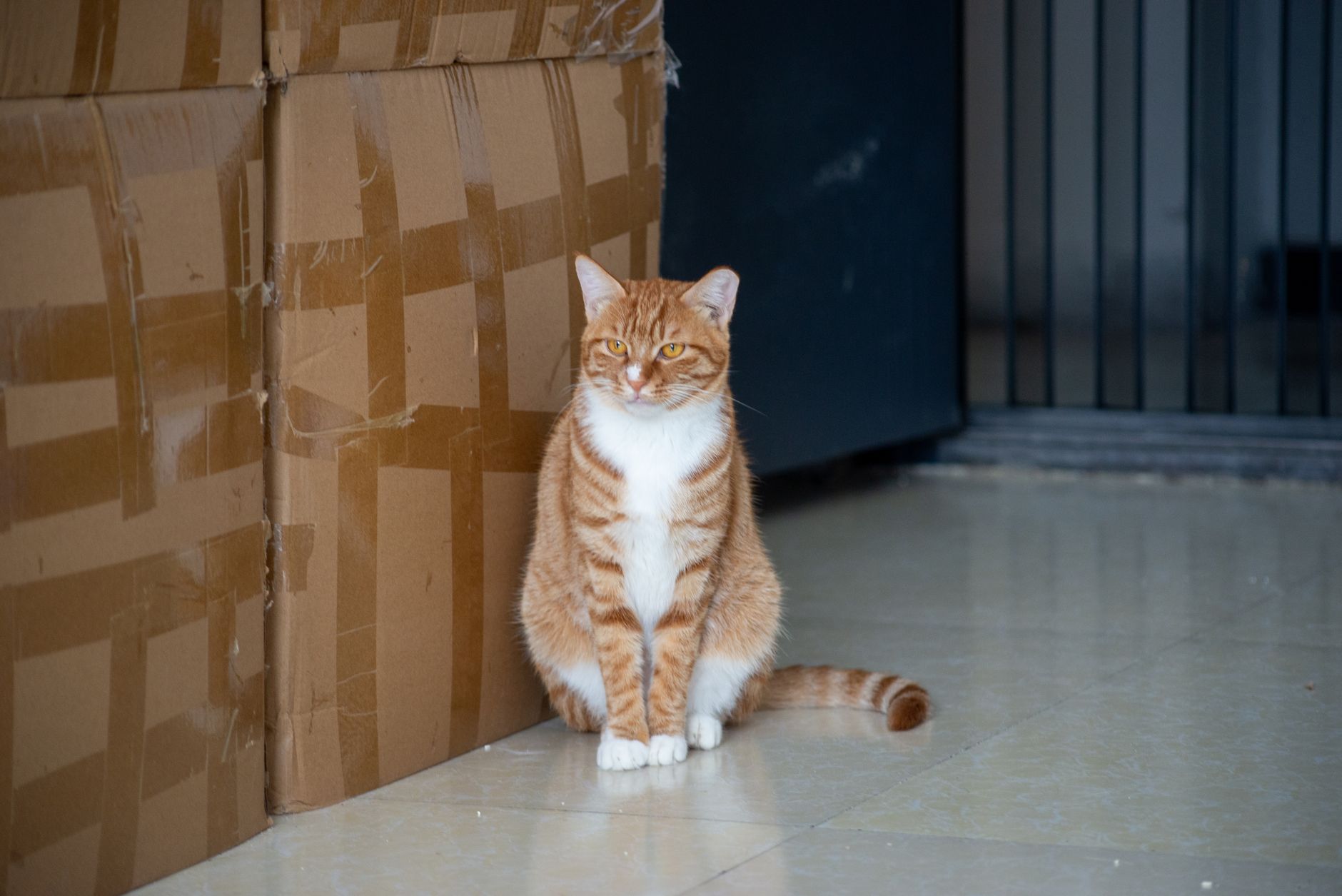
Cats are profoundly empathetic animals that store stress in their fascia, shoulders, and along the base of the tail. Chronic stress elevates allostatic load—the cumulative wear and tear on the body—which can negatively impact immune function and urinary health. Targeted tactile therapy offers a simple, powerful way to relieve physical tension and deepen your bond.
When a cat rubs their cheeks against your hands or home furniture, they are performing ‘bunting’—depositing facial pheromones that mark their environment as safe and familiar. Mindful grooming rituals recreate this comforting behavior. Self-grooming tools like the VelvetArch Feline Grooming Spa allow your cat to independently massage their cheeks and neck, releasing relaxing pheromones into their sanctuary space.
Direct tactile stimulation promotes lymphatic drainage and releases oxytocin in both cat and human. Using specialized wellness tools like the SerenityClaw Electric Head Massager can help relax tense facial and cranial muscles, soothe nervous tension, and turn evening wind-down routines into a bonding ritual (remember, all wellness items come with Free US Shipping!).
Predictability builds feline confidence. A predictable daily schedule reduces ambient cortisol and supports steady digestion, metabolic balance, and consistent sleep cycles. Consider adopting this four-part daily mindful rhythm:
Signs of boredom or stress in indoor cats can be subtle. Watch for over-grooming (bald patches on belly or legs), changes in litter box habits, subtle withdrawal from family activities, sudden vocalization, or overeating. Implementing interactive play tools and vertical spaces usually offers rapid emotional improvement.
Most indoor cats thrive on two to three structured play sessions per day, lasting 10 to 15 minutes each. Short, high-intensity play sessions mimicking the predatory sequence are far more beneficial than long, unstructured sessions that cause exhaustion or overstimulation.
Interactive feeders and puzzle spheres slow down rapid eating, improve digestion, and engage problem-solving instincts. Fulfilling the ‘catch and eat’ phase of their predatory sequence releases dopamine, helping reduce boredom-driven behaviors like night vocalization or furniture scratching.
True indoor cat wellness isn’t about overhauling your entire lifestyle overnight; it’s about making small, intentional adjustments that honor your cat’s natural instincts. By combining intuitive environmental design, mentally engaging play, and soothing tactile therapies, you can give your indoor cat a rich, vibrant life. Explore our curated range of mindfulness-first feline lifestyle essentials at Spoiled Kitty today—and enjoy Free US Shipping on every US order as you step into a calmer, happier home together.
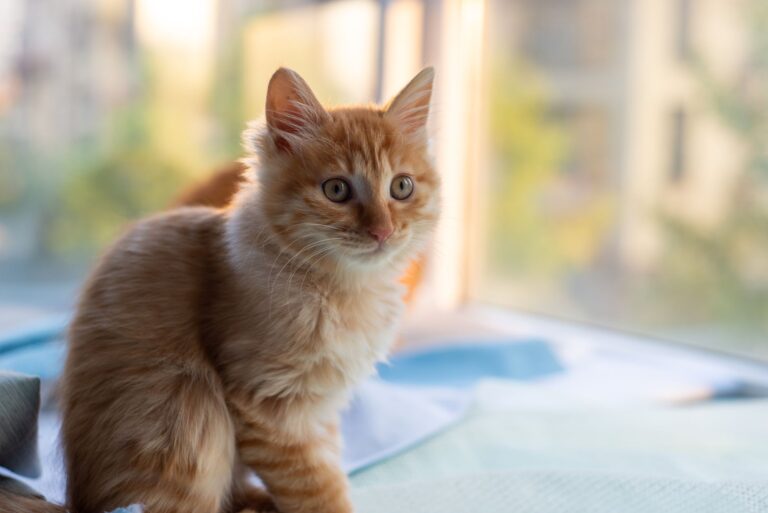
Welcome to Spoiled Kitty’s sanctuary of mindful feline care. As a certified feline behavior specialist and chief editor, I frequently meet dedicated cat parents who wonder if their cherished indoor companions are truly thriving. While keeping cats indoors dramatically increases their lifespan and keeps them safe from external hazards, it
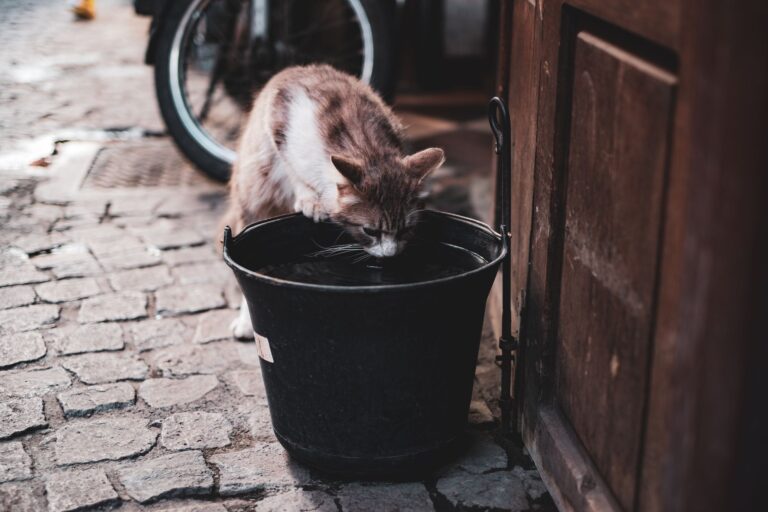
Welcome back to Spoiled Kitty, your ultimate destination for luxury mindful cat wellness. As a certified feline behavior specialist, I often hear concerned pet parents ask why their sophisticated feline refuses to drink from a standard ceramic bowl. The answer lies deep within their evolutionary history. Domestic cats are descendants
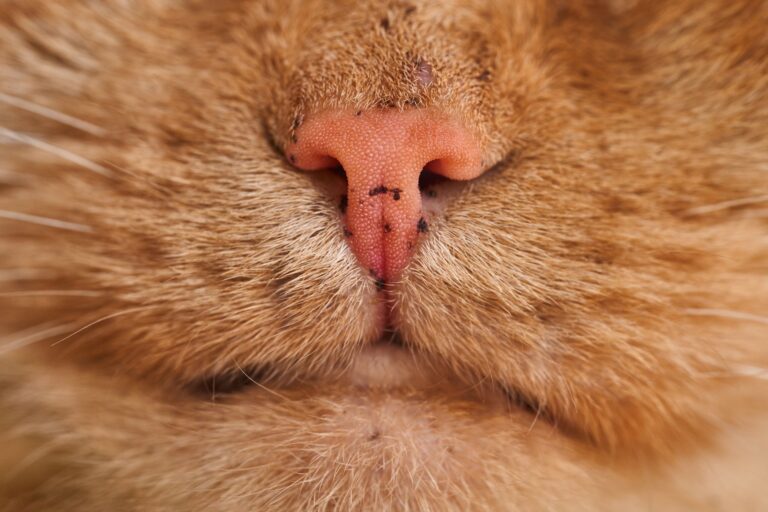
Picture this: You carefully spoon gourmet pâté into your cat’s favorite ceramic bowl, only to return an hour later and find a strange, geometric ring of food left untouched around the very edges. Your feline companion acts hungry, meowing plaintively by the pantry, yet refuses to touch the remaining morsels.