


Finicky Felines: Understanding and Dealing with Picky Eating in Cats

Read more:

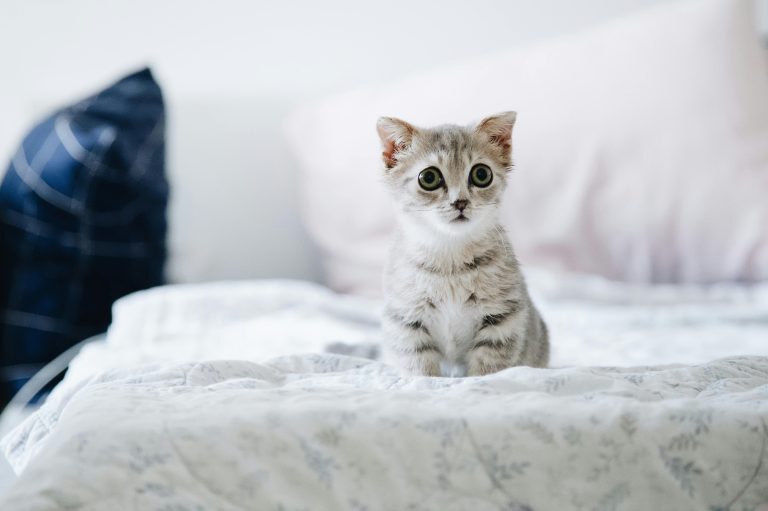
Gray and white kitten on white bed
So, You're Getting a Cat: A Quick Guide for New Cat Parents
Bringing a new cat home is an exciting...
Grey cat eats food
Nutrition for Senior Cats: A Comprehensive Guide
As cats enter their senior years,...
cat-wellness-1788091985724
Why Indoor Cats Get Bored: 5 Brain Games & Enrichment Secrets to Keep Your Cat Thriving
As a certified feline behavior...
Natural Hairball Prevention: Dietary Fiber, Grooming Hacks & Holistic Solutions
Every cat parent knows the sound....

For your ca(r)t:

White and black cat on table
Facebook
Twitter
LinkedIn

Cats are notorious for being picky eaters. They often turn their noses up at the food we offer them, leaving us feeling frustrated and concerned. In this article, we will explore the reasons behind picky eating in cats and provide some solutions to this common problem.

Causes of Picky Eating:

  • Natural Instincts: Cats are natural predators that猎杀small animals. These animals are high in protein and fat, which provides cats with the energy they need to hunt and survive. As a result, cats have a natural preference for foods that are high in protein and fat.
  • Negative Experiences: If a cat has had a negative experience with food in the past, such as eating spoiled food or being forced to eat something they didn’t like, this can affect their future eating habits.
  • Stress: Stress can cause various behavioral problems in cats, including picky eating. Stressful situations can include moving, changes in routine, or the introduction of a new pet.
  • Medical Issues: In some cases, picky eating can be a symptom of an underlying medical condition. If you are concerned about your cat’s health, it is always best to consult with a veterinarian.

Solutions:

  • Offer a Variety of Foods: Cats need a varied diet to get all the nutrients they need. Try offering your cat different types of food, such as wet food, dry food, and treats.
  • Provide Fresh Water: Cats should always have access to fresh, clean water. Make sure their water bowl is always full and that you change it regularly.
  • Establish a Routine: Cats thrive on routine. Feed your cat at the same time each day.
  • Don’t Force Your Cat to Eat: If your cat doesn’t want to eat, don’t force them. Try offering them food again later.
  • Consult with Your Veterinarian: If you are concerned about your cat’s health, it is always best to consult with a veterinarian. They can help you determine the cause of your cat’s picky eating and recommend appropriate solutions.

Additional Tips:

  • Warm up wet food: Some cats prefer to eat warm food. Try warming up wet food to room temperature before offering it to your cat.
  • Add flavor: You can add some flavor to your cat’s food, such as a little bit of gravy or tuna juice.
  • Play with your cat before feeding: Playing can stimulate your cat’s appetite.
  • Use interactive feeders: Interactive feeders can make mealtime more fun and challenging for your cat.

Picky eating in cats can be a frustrating problem, but it can be solved with patience and the right approach. By following these tips, you can help your cat get the healthy and balanced diet they need.

Related Articles