2 x
$219.80
-
+


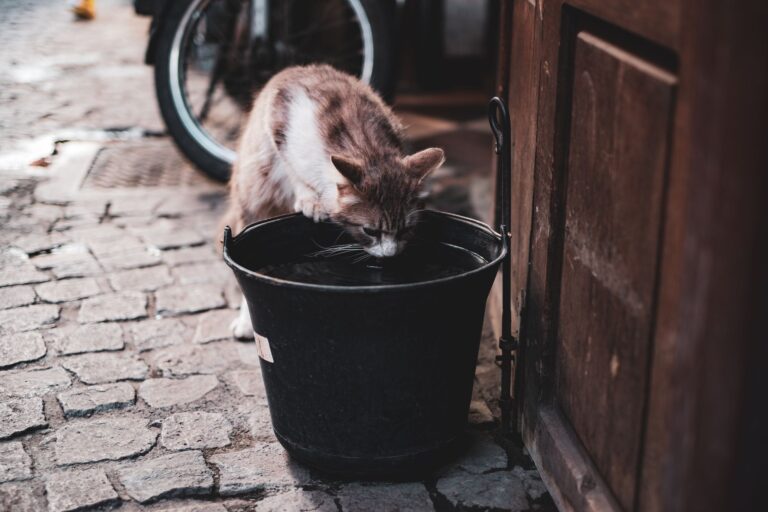
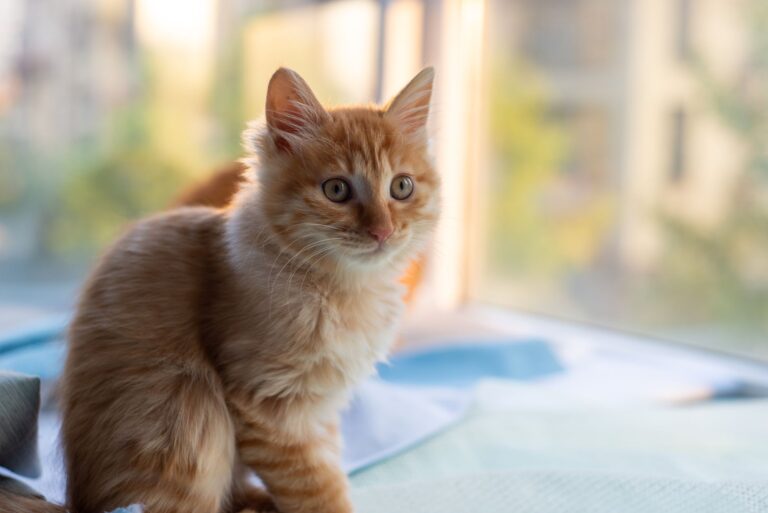

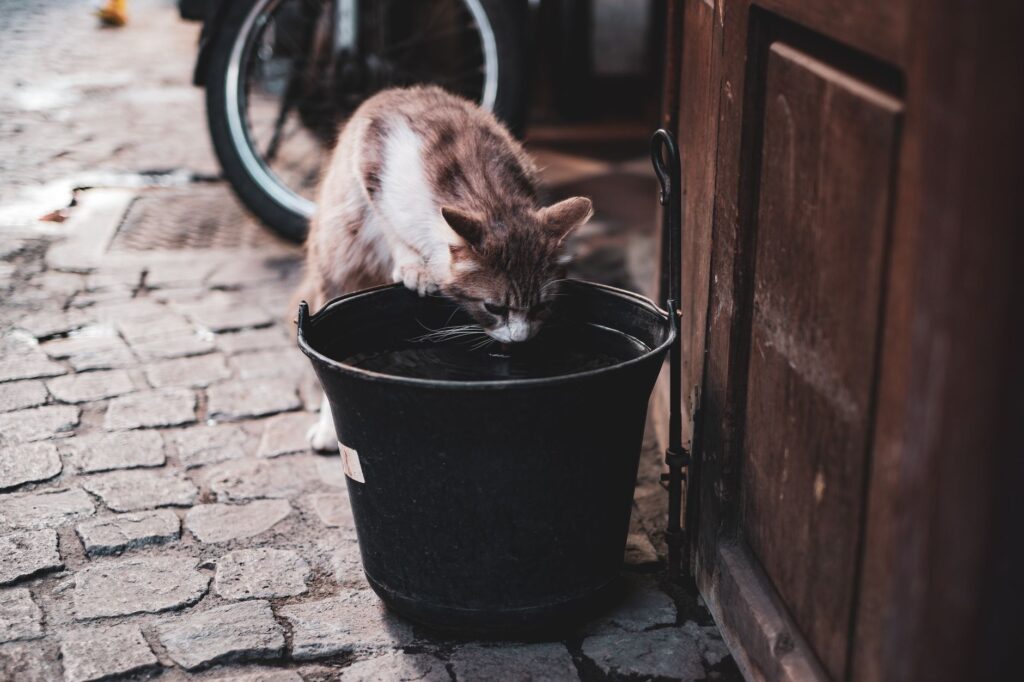
Welcome back to Spoiled Kitty, your ultimate destination for luxury mindful cat wellness. As a certified feline behavior specialist, I often hear concerned pet parents ask why their sophisticated feline refuses to drink from a standard ceramic bowl. The answer lies deep within their evolutionary history. Domestic cats are descendants of desert-dwelling African wildcats. In the wild, stagnant water sources were high-risk breeding grounds for bacteria and parasites. Consequently, cats developed a profound biological instinct: they instinctively perceive standing water as unsafe, preferring the crisp, oxygenated appeal of moving streams and fresh droplets.
Cats are notoriously low-thirst animals. In their natural habitat, they obtained the vast majority of their daily moisture requirements directly from their prey, which is roughly 70% to 75% water. When we transition our modern feline companions to dry kibble diets—which typically contain only 5% to 10% moisture—we inadvertently place an immense, chronic burden on their urinary tracts and renal systems.
When a cat chronically under-hydrates, their urine becomes concentrated. Over years, this concentration leads to the formation of painful mineral crystals, feline lower urinary tract disease (FLUTD), and progressive chronic kidney disease (CKD), which remains one of the leading causes of mortality in senior cats. Shifting your approach to water delivery is not merely a matter of convenience; it is a critical, life-prolonging healthcare strategy.
This is where investing in high-quality cat hydration fountains transforms daily wellness. Running water naturally mimics a natural stream, instantly triggering your cat’s predatory curiosity and biological survival instincts. The continuous aeration keeps the water crisp, cool, and oxygen-rich, eliminating stale tastes and odors that deter discerning drinkers.
Moreover, modern cat hydration fountains often feature multi-stage carbon and ion-exchange filters that strip away heavy metals, hair, and chlorine. To complement your cat’s hydration oasis and keep them active between sips, you can enrich their environment with engaging toys like the PlumeSpin Interactive Cat Turntable for just $28.90, enjoying Free US Shipping on your order.
Cats are masters at masking discomfort and illness, an evolutionary trait designed to hide vulnerability from predators. Because of this, recognizing dehydration requires paying close attention to subtle behavioral and physical cues. Common red flags include:

Setting up the ultimate hydration station goes beyond plugging in a fountain. Location matters immensely in feline interior design. Never place water bowls directly next to your cat’s food bowls or litter boxes. In the wild, cats avoid drinking near their food sources to prevent water contamination from kills, and they naturally separate elimination areas from dining and drinking spots.
Scatter multiple water stations throughout your home in quiet, low-traffic zones. Keeping water fresh, cool, and flowing encourages frequent, micro-doses of hydration throughout the day, preserving renal function and ensuring your spoiled kitty lives a long, vibrant life.
Cats possess highly sensitive whiskers that brush against the sides of narrow bowls, causing whisker fatigue. Furthermore, their ancient instincts associate standing water with bacterial contamination, making moving water from a fountain much more appealing.
As a general rule of thumb, an adult cat needs approximately 4 ounces (about 1 cup) of water per 5 pounds of body weight daily. Cats eating wet food naturally consume more of this through diet, while dry-kibble eaters rely heavily on supplemental drinking.
To prevent biofilm buildup, bacterial growth, and filter clogging, you should completely disassemble and wash your cat hydration fountain with mild, pet-safe soap every week, replacing the charcoal filters every 2 to 4 weeks.
Welcome to Spoiled Kitty’s sanctuary of mindful feline care. As a certified feline behavior specialist and chief editor, I frequently meet dedicated cat parents who wonder if their cherished indoor companions are truly thriving. While keeping cats indoors dramatically increases their lifespan and keeps them safe from external hazards, it
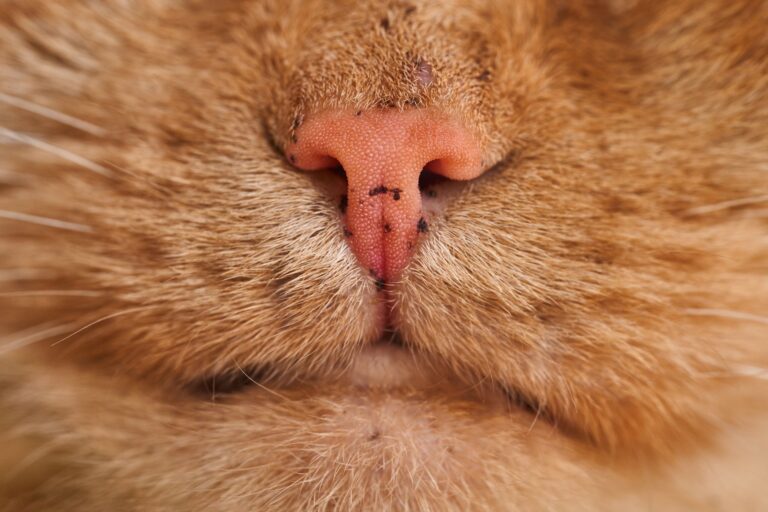
Picture this: You carefully spoon gourmet pâté into your cat’s favorite ceramic bowl, only to return an hour later and find a strange, geometric ring of food left untouched around the very edges. Your feline companion acts hungry, meowing plaintively by the pantry, yet refuses to touch the remaining morsels.
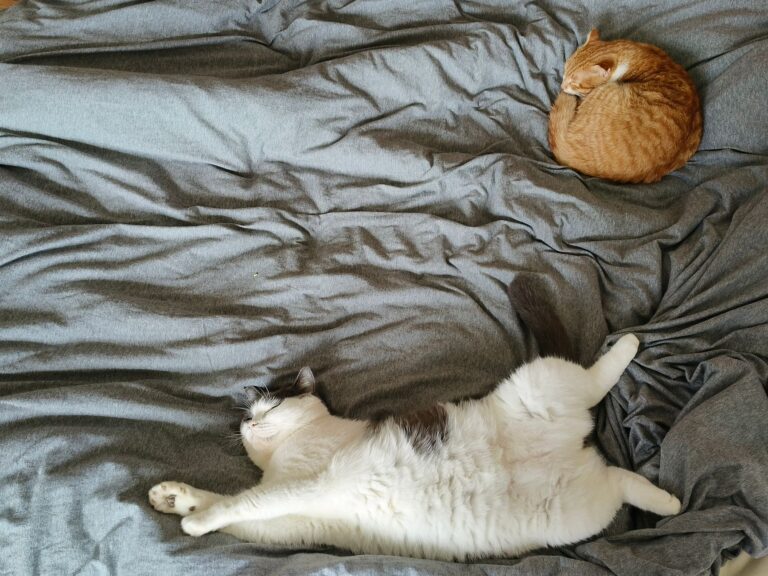
Have you ever paused to marvel at your cat sprawled across a sunbeam, contorted into an impossible pretzel shape, or softly twitching their paws while floating through dreamland? As cat parents, we spend countless hours watching our feline companions sleep—and with good reason. Domestic cats spend anywhere from 12 to