2 x
$55.80
-
+

Welcome to Spoiled Kitty’s sanctuary of mindful feline care. As a certified feline behavior specialist and chief editor, I frequently meet dedicated cat parents who wonder if their cherished indoor companions are truly thriving. While keeping cats indoors dramatically increases their lifespan and keeps them safe from external hazards, it also removes the innate complexity of the natural world. Achieving true indoor cat wellness requires a deep commitment to creating an enriched, mindful environment that honors your cat’s evolutionary biology, emotional complexity, and acute predatory instincts. In Guide #9256, we explore actionable strategies to transform your home into a tranquil feline haven where your cat doesn’t merely survive, but deeply flourishes.
To truly master indoor cat wellness, we must first recognize that domestic cats (Felis catus) remain neurobiologically identical to their wild ancestors, the African wildcat (Felis lybica). They are obligate carnivores, territorial micro-predators, and hyper-sensory beings living in our modern human environments.
A cat’s perception of the world is predominantly built through scent, high-frequency sound detection, and movement tracking. Indoors, a static environment can lead to sensory deprivation, often manifesting as chronic boredom, anxiety, or lethargy. Mindful living means introducing dynamic sensory experiences that honor the natural predatory sequence: hunt, catch, kill, eat, groom, and sleep.
To simulate this natural cycle without causing distress, incorporate smart puzzle feeders such as the LuminaRoll Smart Treat Sphere (enjoy Free US Shipping). Foraging mechanisms challenge your cat’s cognitive skills, triggering dopamine releases that enhance emotional balance and cognitive longevity.
Cats view three-dimensional space fundamentally differently than humans do. While we organize our homes horizontally, cats evaluate safety and dominance vertically. Providing multi-tiered climbing trees, wall perches, and cozy hideaways allows your cat to map out distinct micro-territories. High vantage points significantly decrease feline cortisol levels by allowing them to survey their kingdom without feeling cornered or exposed.
Effective environmental enrichment goes far beyond tossing a worn catnip toy onto the floor. It involves designing intentional zones that engage every aspect of feline behavior.
Cats possess complex scent glands on their cheeks, paws, and flanks. When they scratch or rub against specialized surfaces, they leave behind comfort-inducing facial and interdigital pheromones. Offering varied textures—from fibrous sisal to smooth wood and soft fabrics—satisfies both physical clawing needs and scent-marking desires.
For an elegant blend of natural textures and mental stimulation, interactive tools like the Sovereign Solid Wood Sisal Turntable (complete with Free US Shipping) merge aesthetic craftsmanship with engaging tactile play.
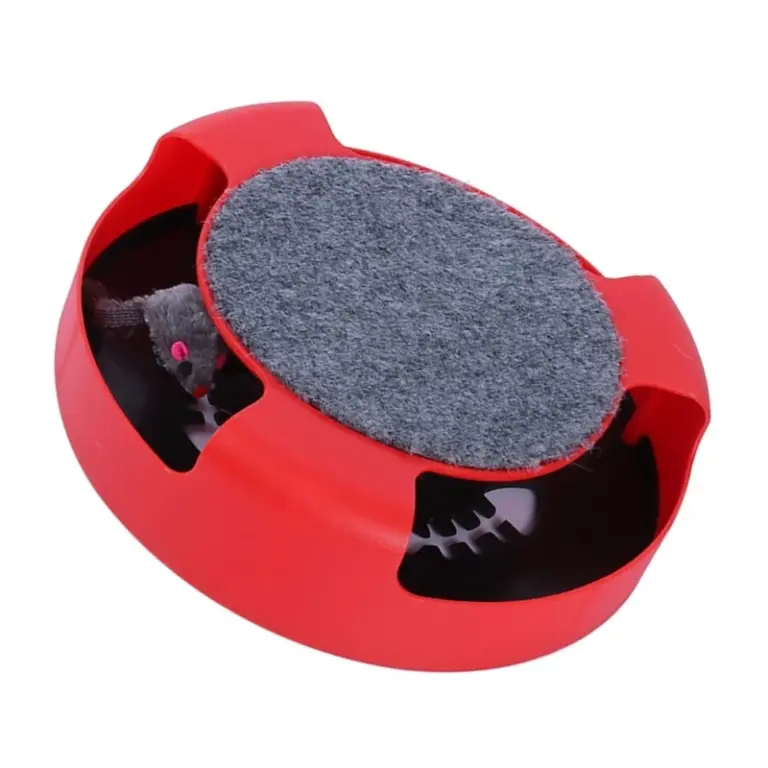
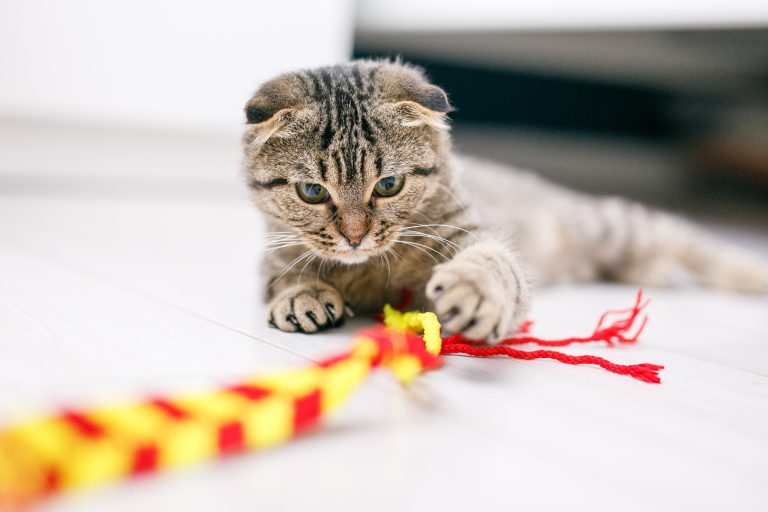
While structured daily play with you is vital for emotional bonding, indoor cats also need autonomous, self-directed play options for when you are away or busy. Solitary toys should emulate the unpredictable movements of small prey—unexpected turns, erratic pauses, and subtle fluttering sound cues.
Integrating engaging solutions such as the PlumeSpin Interactive Cat Turntable (offered with Free US Shipping) keeps their reflexes sharp and prevents afternoon boredom slumps.
Grooming is far more than a hygiene necessity for cats—it is an essential stress-regulation mechanism. Healthy adult cats allocate up to 50% of their waking hours to self-grooming to control body temperature, maintain skin health, and soothe their nervous system through endorphin release.
In feline social groups, mutual grooming (allogrooming) strengthens social bonds and lowers group stress. You can replicate this reassuring ritual through mindful grooming sessions. Self-grooming stations such as the VelvetArch Feline Grooming Spa (featuring Free US Shipping) grant your cat complete autonomy to massage their facial glands and groom whenever they desire tension relief.
To pamper your companion during quiet cuddle times, gentle head massages help diffuse facial muscle tightness. Incorporating an ergonomic gadget like the SerenityClaw Electric Head Massager (with Free US Shipping) mimics maternal grooming strokes, releasing oxytocin and fostering deep relaxation.
A holistic approach to indoor cat wellness must prioritize preventative oral health. Periodontal issues represent one of the most common sources of hidden, chronic pain in adult felines. Making oral care stress-free is simple with non-invasive maintenance tools, such as the VelvetBreath Enzymatic Dental Mist (available with Free US Shipping), ensuring their breath remains fresh and teeth stay clean without triggering unnecessary anxiety.
Mindful feline care extends beyond physical items; it requires a genuine shift in how we interact with our cats every day.
Rather than leaving toys scattered permanently on the floor—where they quickly lose novelty—schedule two dedicated 10-to-15 minute play sessions daily. Move wand toys like fleeing prey, traveling away from the cat rather than toward them. Always conclude play sessions with a meal or protein treat to fulfill the biological hunt-catch-eat cycle, leaving your companion deeply satisfied and relaxed.
A mindful feline guardian learns to listen without hearing vocalizations. Slow blinks are the ultimate sign of feline trust; offer slow blinks back when your cat gazes at you calmly. Respect subtle boundary signals, such as a twitching tail tip or flattened ears, which indicate mild overstimulation. Providing consent and agency in every interaction forms the cornerstone of unwavering human-feline trust.
Feline distress often manifests in subtle ways. Watch for over-grooming (resulting in bare patches), uncharacteristic vocalizations, lethargy outside normal sleeping patterns, destructive scratching, or litter box avoidance. Introducing daily structured play and puzzle enrichment usually brings rapid improvement.
Most healthy adult cats thrive on 20 to 30 minutes of interactive play daily, ideally split into two short sessions. High-energy breeds or younger cats may need 45 minutes or more, complemented by interactive enrichment tools throughout the day.
Absolutely. While the outdoors offers endless stimulation, it also exposes cats to vehicle hazards, predators, infectious diseases, and extreme weather. A thoughtfully designed indoor habitat featuring vertical territories, sensory enrichment, foraging challenges, and loving human engagement provides everything a cat needs for a healthy, vibrant life.
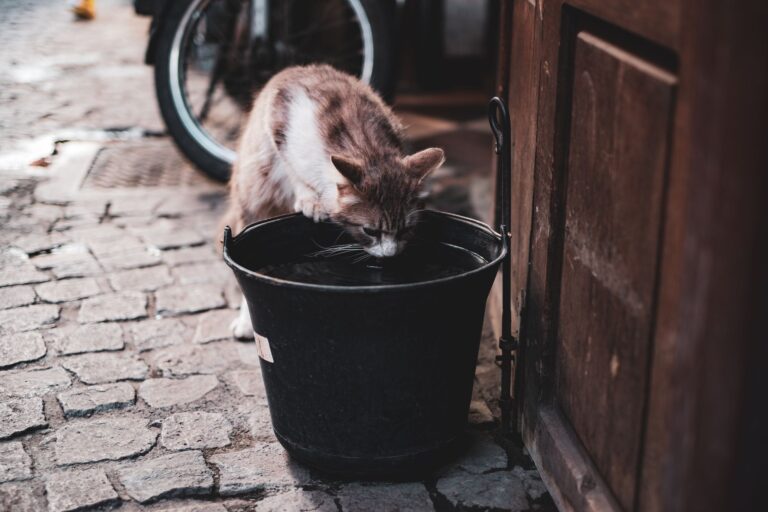
Welcome back to Spoiled Kitty, your ultimate destination for luxury mindful cat wellness. As a certified feline behavior specialist, I often hear concerned pet parents ask why their sophisticated feline refuses to drink from a standard ceramic bowl. The answer lies deep within their evolutionary history. Domestic cats are descendants
Picture this: You carefully spoon gourmet pâté into your cat’s favorite ceramic bowl, only to return an hour later and find a strange, geometric ring of food left untouched around the very edges. Your feline companion acts hungry, meowing plaintively by the pantry, yet refuses to touch the remaining morsels.
Have you ever paused to marvel at your cat sprawled across a sunbeam, contorted into an impossible pretzel shape, or softly twitching their paws while floating through dreamland? As cat parents, we spend countless hours watching our feline companions sleep—and with good reason. Domestic cats spend anywhere from 12 to