


Finicky Felines: Understanding and Dealing with Picky Eating in Cats
Read more:
For your ca(r)t:
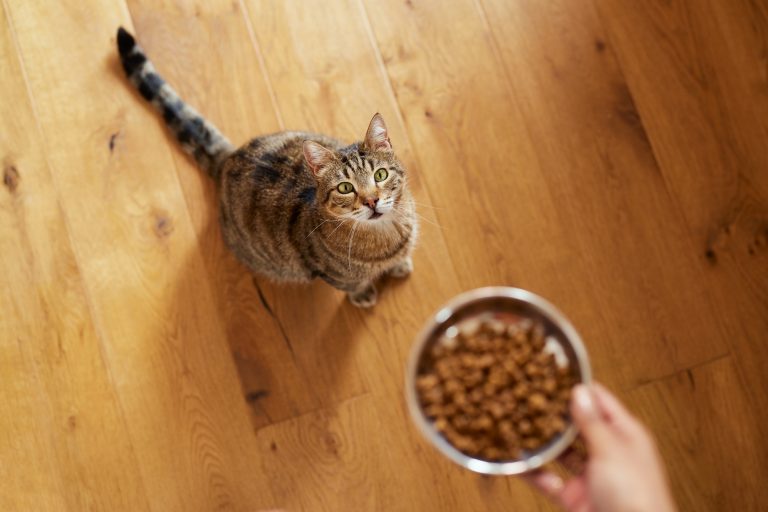
Cats are notorious for being picky eaters. They often turn their noses up at the food we offer them, leaving us feeling frustrated and concerned. In this article, we will explore the reasons behind picky eating in cats and provide some solutions to this common problem.
Causes of Picky Eating:
- Natural Instincts: Cats are natural predators that猎杀small animals. These animals are high in protein and fat, which provides cats with the energy they need to hunt and survive. As a result, cats have a natural preference for foods that are high in protein and fat.
- Negative Experiences: If a cat has had a negative experience with food in the past, such as eating spoiled food or being forced to eat something they didn’t like, this can affect their future eating habits.
- Stress: Stress can cause various behavioral problems in cats, including picky eating. Stressful situations can include moving, changes in routine, or the introduction of a new pet.
- Medical Issues: In some cases, picky eating can be a symptom of an underlying medical condition. If you are concerned about your cat’s health, it is always best to consult with a veterinarian.
Solutions:
- Offer a Variety of Foods: Cats need a varied diet to get all the nutrients they need. Try offering your cat different types of food, such as wet food, dry food, and treats.
- Provide Fresh Water: Cats should always have access to fresh, clean water. Make sure their water bowl is always full and that you change it regularly.
- Establish a Routine: Cats thrive on routine. Feed your cat at the same time each day.
- Don’t Force Your Cat to Eat: If your cat doesn’t want to eat, don’t force them. Try offering them food again later.
- Consult with Your Veterinarian: If you are concerned about your cat’s health, it is always best to consult with a veterinarian. They can help you determine the cause of your cat’s picky eating and recommend appropriate solutions.
Additional Tips:
- Warm up wet food: Some cats prefer to eat warm food. Try warming up wet food to room temperature before offering it to your cat.
- Add flavor: You can add some flavor to your cat’s food, such as a little bit of gravy or tuna juice.
- Play with your cat before feeding: Playing can stimulate your cat’s appetite.
- Use interactive feeders: Interactive feeders can make mealtime more fun and challenging for your cat.
Picky eating in cats can be a frustrating problem, but it can be solved with patience and the right approach. By following these tips, you can help your cat get the healthy and balanced diet they need.
Related Articles

Natural Hairball Prevention: Dietary Fiber, Grooming Hacks & Holistic Solutions
Every cat parent knows the sound. It usually happens at 3:00 AM—a rhythmic, gagging cough echoed across the hardwood floor, culminating in a wet, cylindrical mass known scientifically as a trichobezoar. While hairballs are often dismissed as an unavoidable quirk of feline life, frequent regurgitation is actually a sign that

The Silent Language of Purrs: How Feline Frequencies Heal Bones and Relieve Human Stress
There is a quiet, transformative magic that unfolds when a feline curled on your lap begins to purr. Beyond a simple expression of contented bliss, that low, rhythmic rumble vibrates through your chest, soothing away the day’s tensions. As a certified feline behavior specialist and chief editor of Spoiled Kitty,

Understanding Feline Scent Marking: Why Headbutting and Bunting Means Total Devotion
If you have ever been lounging peacefully on the sofa only for your cat to march up, lower their head, and forcefully press their forehead into your chin or cheek, you have experienced one of the most heartwarming rituals in the animal kingdom. To the uninitiated, this sudden head slam